genetics
Feed URLA river of articles from this list.
Articles from 2 followed author(s) of this list.

Save into
What’s changed?
Andy Saunders writes: A couple of things come to mind. The planet on the right contains, on average, around 70% fewer animals than the planet on the left. The atmosphere of the planet on the right

Save into
Creating custom (non-Font Awesome) icons for a Jekyll-based website
This one is pretty niche even by my standards. Notes largely for my own benefit, but they may be useful if you: I’ll assume that you have git-cloned jekyll-theme-chirpy, run bundle and are able to
Save into
Directional markers in R/leaflet
So you have used the excellent exiftool to extract all of the GPS-related information from a directory of photos in JPG format and write to a CSV file: You’ve used R/leaflet to plot coordinates
Save into
Brief thoughts on: iNaturalist
Let me say first: I was wrong! My profile shows that I created my account at iNaturalist in August 2008, the year that the site was launched. I created a lot of accounts in those days. At the time,
Save into
Using R/anomalize to identify delays in games of Australian Rules football
In which we generate a dataset of game durations, do a little exploratory data analysis and then try to identify unusual instances and their causes. In my Twitter-whinge-post, I mentioned that one of
Save into
Brief thoughts on: the slow death of Twitter
Why am I still there? I joined Twitter (I will never say ‘X’), unbelievably, in March 2008. I was sceptical of “microblogging” at the time but in those days, I was willing to try anything
Save into
Brief thoughts on: the new Australian Bureau of Meteorology website
For those outside of Australia, the BOM website is where many Australians access weather information. It’s very popular with millions of visits per day, especially to the rain radar, and “the
Save into
Still here. Still writing occasional posts for a tiny audience.
It’s been a while because, reasons. I’m still alive, still enjoying recreational R programming and still writing the occasional post. Like this one. Sam Lord writes on the site formerly known as
Save into
Pattern recognition in Google Maps
Headline: Second farm in the Hawkesbury region confirmed to have bird flu as biosecurity zone widened. Quite rightly, the news organisation chooses not to name the farm, nor reveal its location.
Save into
Data discovery: seasonal speed
Just writing this one quickly as it’s been hanging around my browser tabs for weeks… I wrote Taking steps (in XML) almost 7 years ago and once in a while, I still grab Apple Health data from my

Save into
Fetching subsets of VCF files, a DIY approach
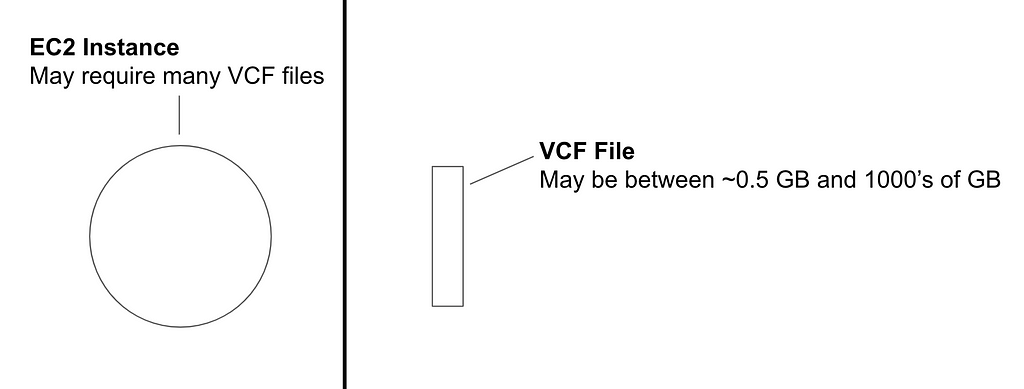
The vision of Gencove is that the universal application of genomics will result in a healthier and more sustainable civilization. As we work towards that vision, we regularly process large amounts
Save into
Importing samples from Amazon S3
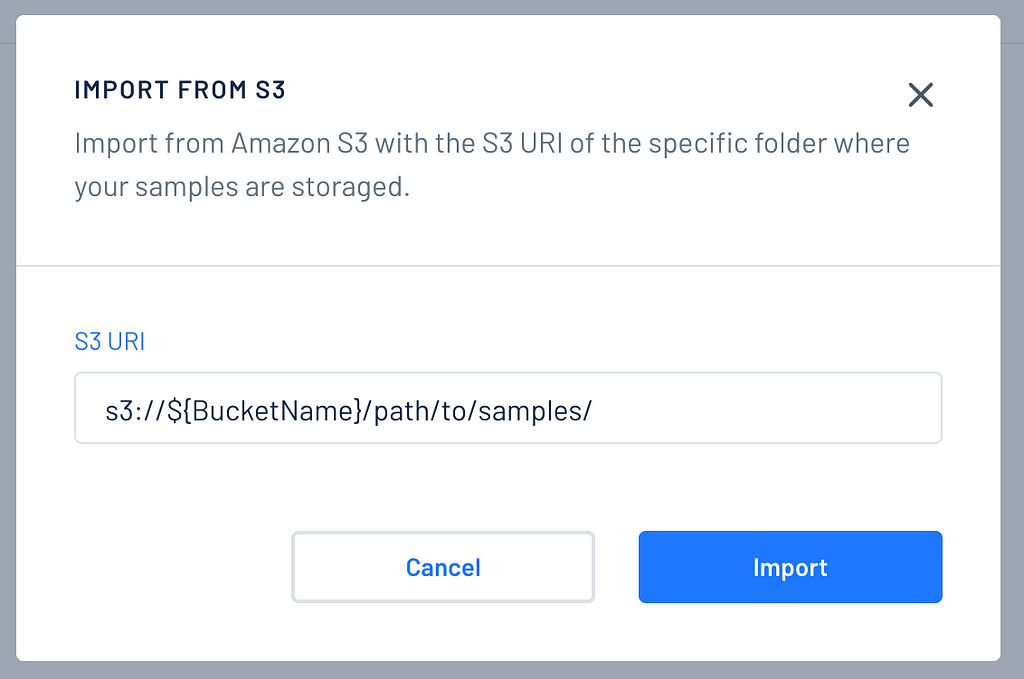
### New Gencove Feature Released At Gencove, we are committed to making genome sequencing more accessible. To that end, we are pleased to announce the ability to use Amazon S3 directly as an import
Save into
Gencove Raises $10 Million to Meet the Global Demand for Accessible and Interpretable Whole Genome…
### **Gencove Raises $10 Million to Meet the Global Demand for Accessible and Interpretable Whole Genome Sequencing at Scale** ***The company’s low-pass genome sequencing and bioinformatics
Save into
Project-level permissions
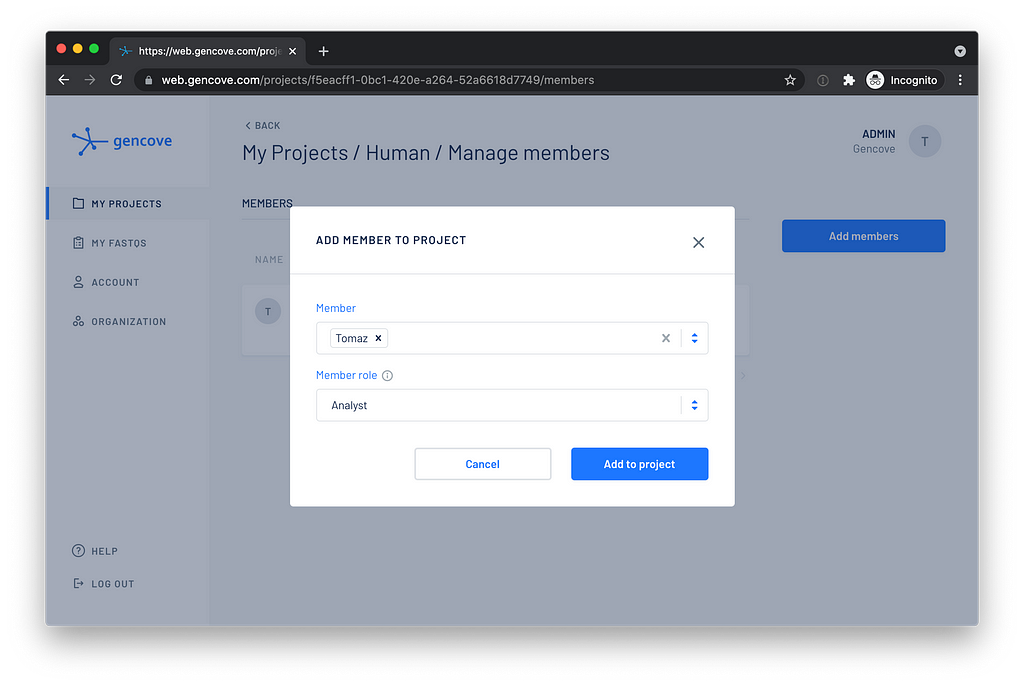
*tl;dr: users’ permissions can now be escalated on a per-project basis and auditing user access has become easier.* We’ve recently released an upgrade to Gencove’s permission system, which
Save into
The coming commoditization of genome sequencing
*tl;dr: new competition in genome sequencing hardware will drive expanded use cases for sequencing analytics across industries* In [*Nature’s
Save into
New imputation pipeline using newly resequenced data from 3202 individuals
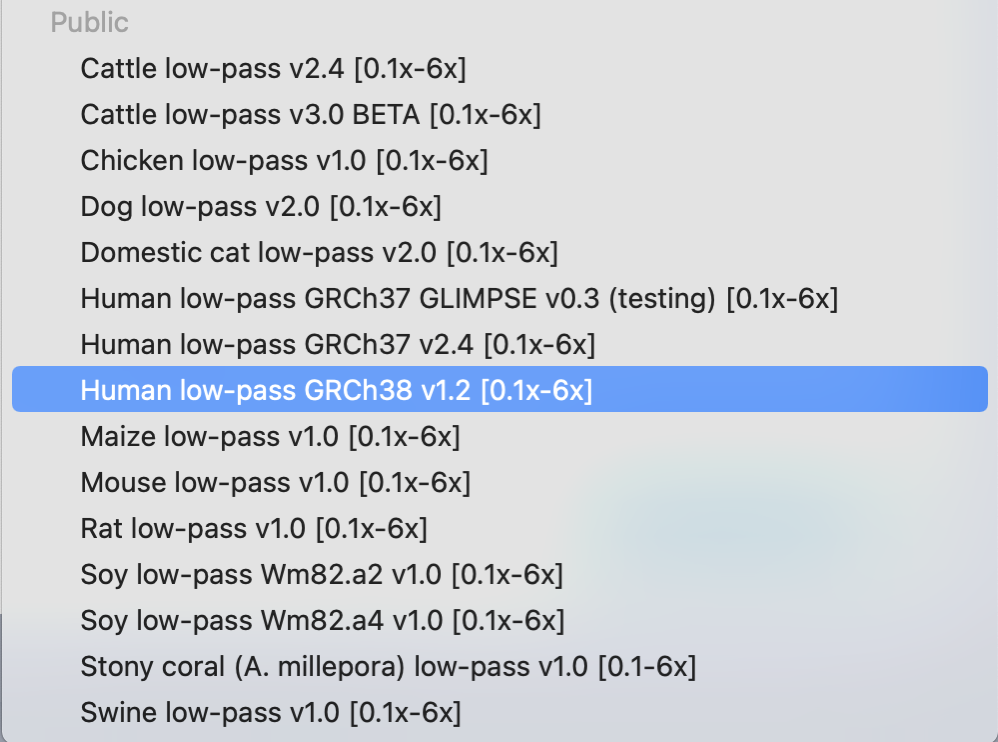
*by Jeremy Li* The 1000 Genomes Project was completed in 2015 and culminated in its “phase 3 release” of phased genotypes from 2504 individuals at over 80 million variants, and remains the
Save into
New publication in collaboration with the USDA: Assessment of Imputation from Low-Pass Sequencing…
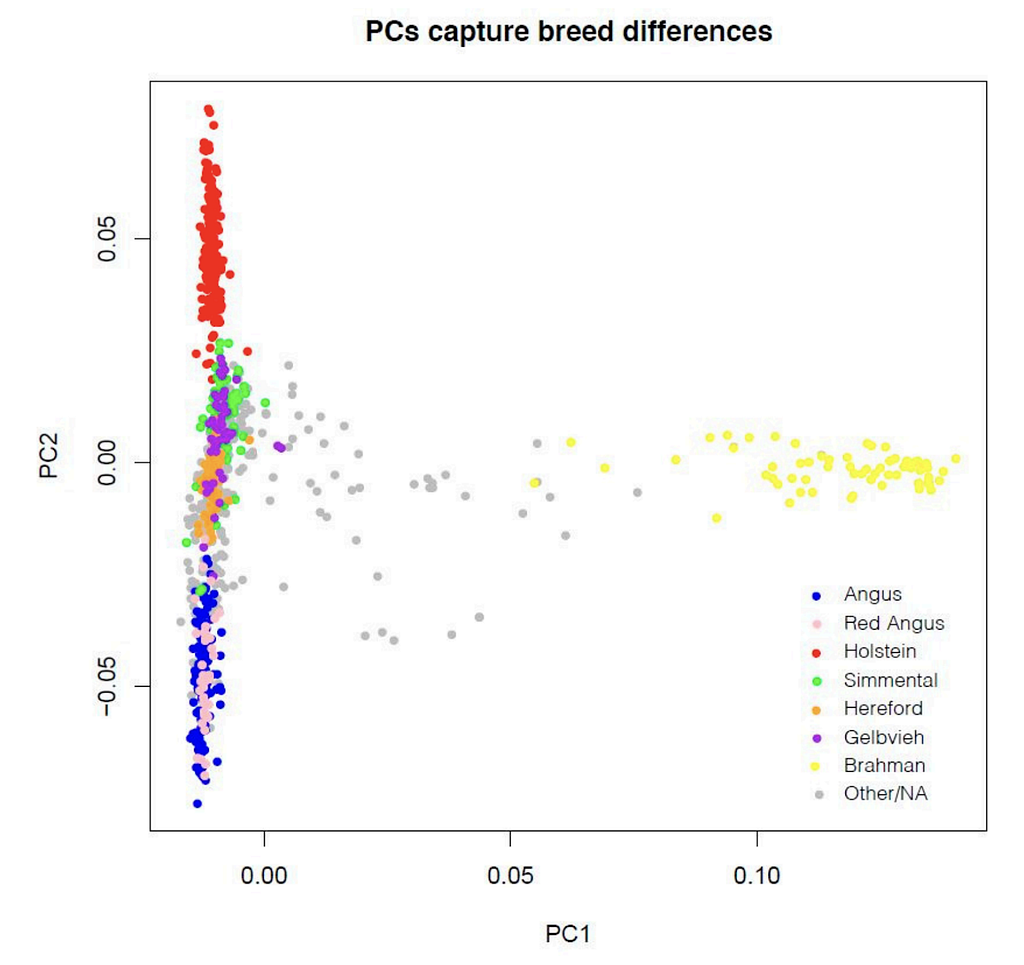
### **New publication in collaboration with the USDA: “*Assessment of Imputation from Low-Pass Sequencing to Predict Merit of Beef Steers”*** *by Jeremy Li* Along with Warren Snelling and
Save into
Gencove’s new pig haplotype reference panel
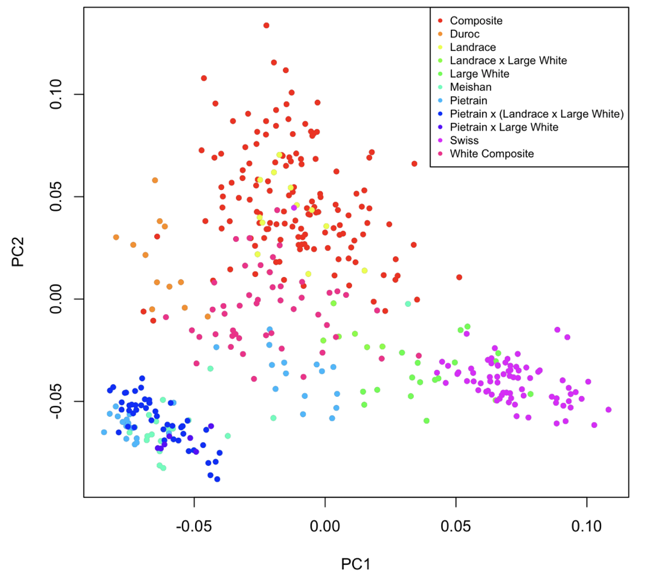
*by Jeremy Li, Data Scientist at Gencove* At Gencove, we’re continuously expanding the selection of species which can be used with imputation pipelines based off of low-pass sequencing. Unlike,
Save into
Gencove V3 Cattle Panel
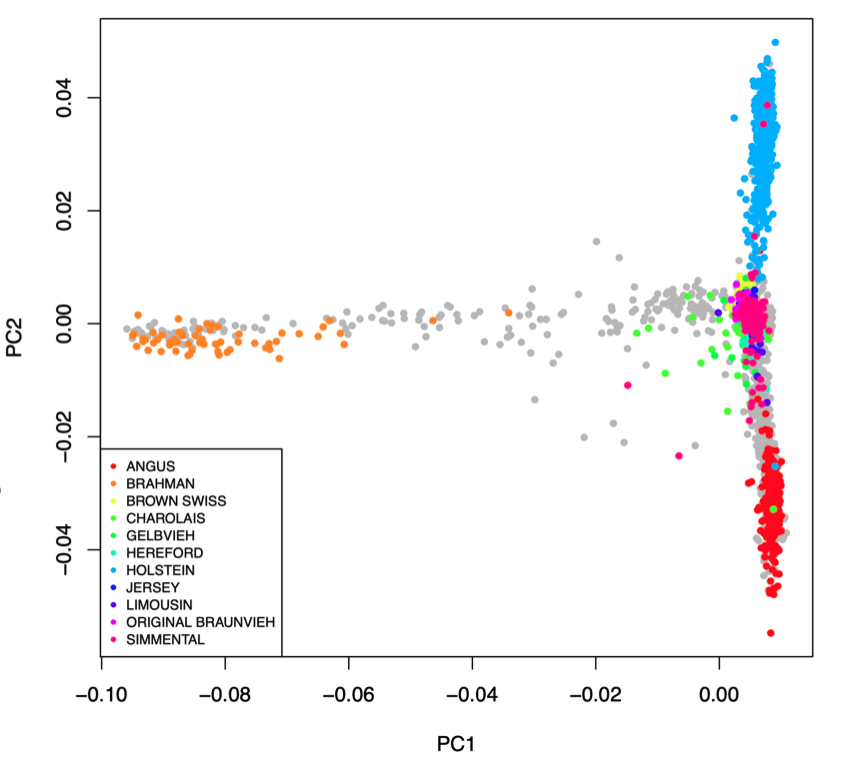
### Gencove’s improved cattle low-pass sequencing solution The new product supports more breeds and returns higher accuracy through an updated reference panel. We have also made it easier to use
Save into
Enabling high-throughput SARS-CoV-2 sequencing and surveillance
At Gencove, our mission is to make genome sequencing accessible and interpretable. Over the past several weeks, it has become clear that a key missing piece of the response to the coronavirus crisis