
The past two weeks have been extremely hectic. First, my wife and I completed our seasonal migration from Connecticut to Vienna. Here we will be until the end of March (and then go back to Connecticut). Right after we arrived in Vienna, I participated in a CSH faculty retreat and as soon as that was over, I flew to China. I was planning to publish a post about my Chinese trip last weekend, but couldn’t because it turns out that the Substack is also behind the Great Firewall, just like most other Western social media. As a result, I had to wait until I got back to Vienna to report on my China experiences.
Social Intelligence Forum, in which I gave my talk, followed by a panel discussion with three other speakers, was part of a larger conference on General Artificial Intelligence in Chongqing (CQ). CQ is a late-comer to Chinese AI centers, trailing Beijing, Shanghai, and Shenzhen. The decision to build it up was very recently made at the highest level.
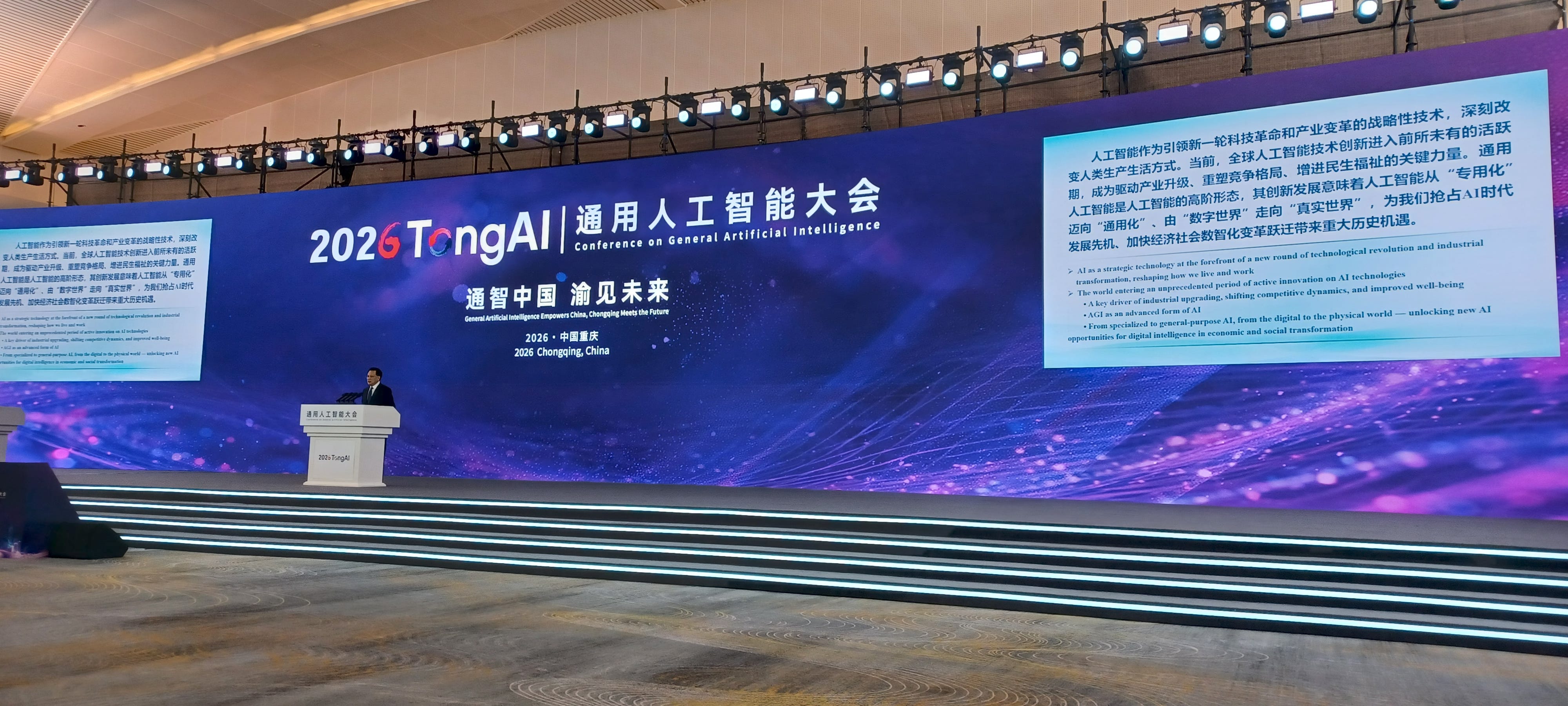
Apparently it started with a high profile visit by Xi Jinping to CQ two years ago, during which he pushed for the modernization of city governance via its Digital Urban Operation and Governance Center.
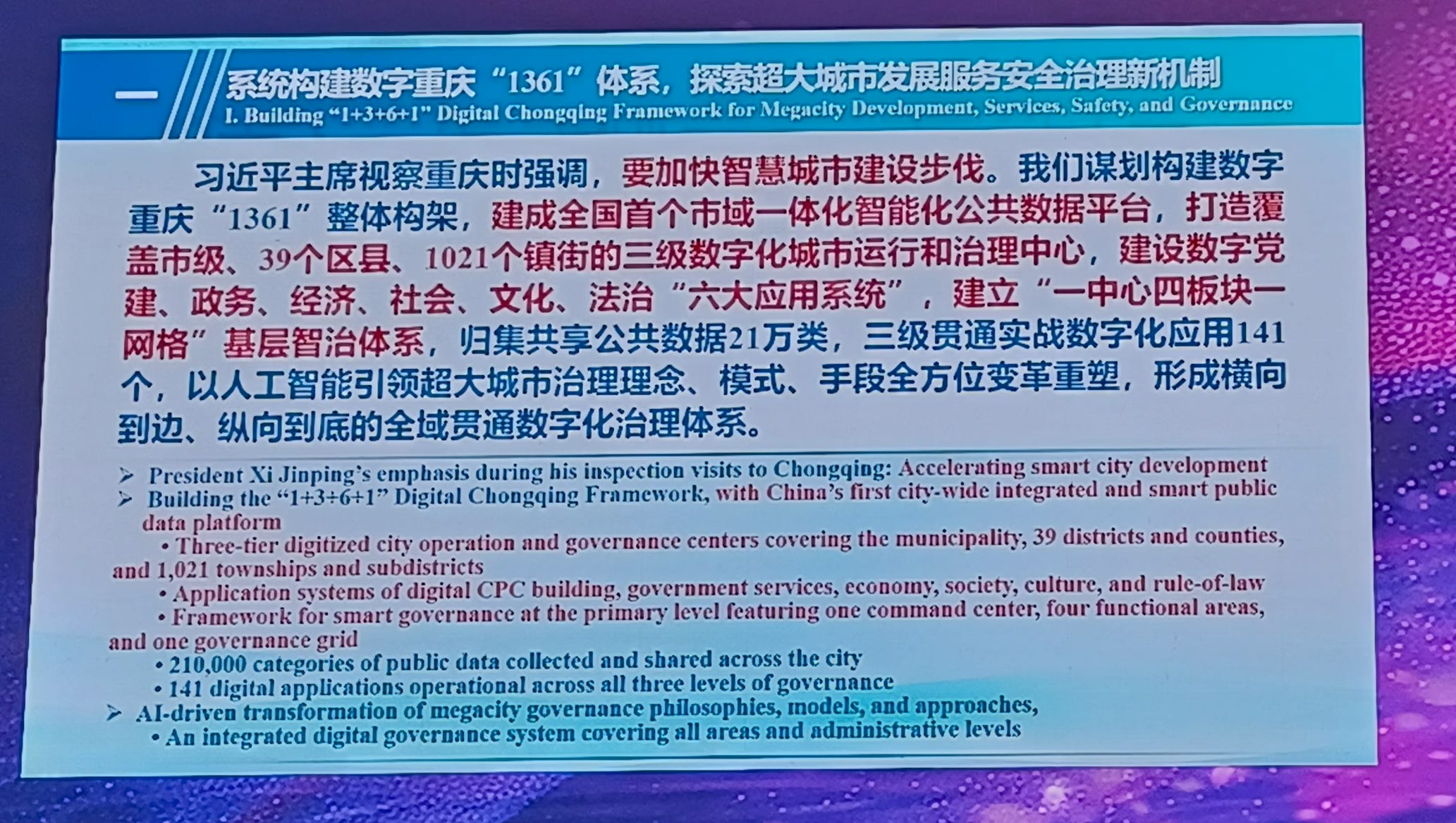
A slide from the opening remarks by the Chongqing CPC secretary.
Next year (2025) the regional authorities launched Chongqing General Artificial Intelligence Research Institute. And most recently came the AGI Forum, in which I participated (followed by a visit, on the next day, to the CQ AGI Institute).
The Forum mainly featured various city-level officials, as well as the Rector of Peking University (who was there because Peking U is the main research partner of the CQ AGI Institute). I grew up in the Soviet Union, so I was prepared to be inundated in “officialese,” and there was a lot of that. But it was also surprisingly informative. It was very interesting to see at close range how a new initiative forms in China.
Three common themes dominated these presentations. First one was “external interference,” which is clearly a major worry in China. Nearly everybody mentioned it and some even explicitly pointed at the USA as its source.
Of course, it is common knowledge that the United States has adopted a systematic strategy (known as “small yard, high fence”) aimed to choke off China’s ability to develop advanced artificial intelligence, using such levers as hardware starvation and international supply chain isolation. The main message in CQ was defiant — China would prevail despite all such roadblocks and adversary actions.
At the same time, speakers lamented this confrontational approach and called for more international cooperation to advance AI, so that it could benefit all humanity (this call for cooperation was the second general theme). The reality, however, is that the world is currently split into two blocks.
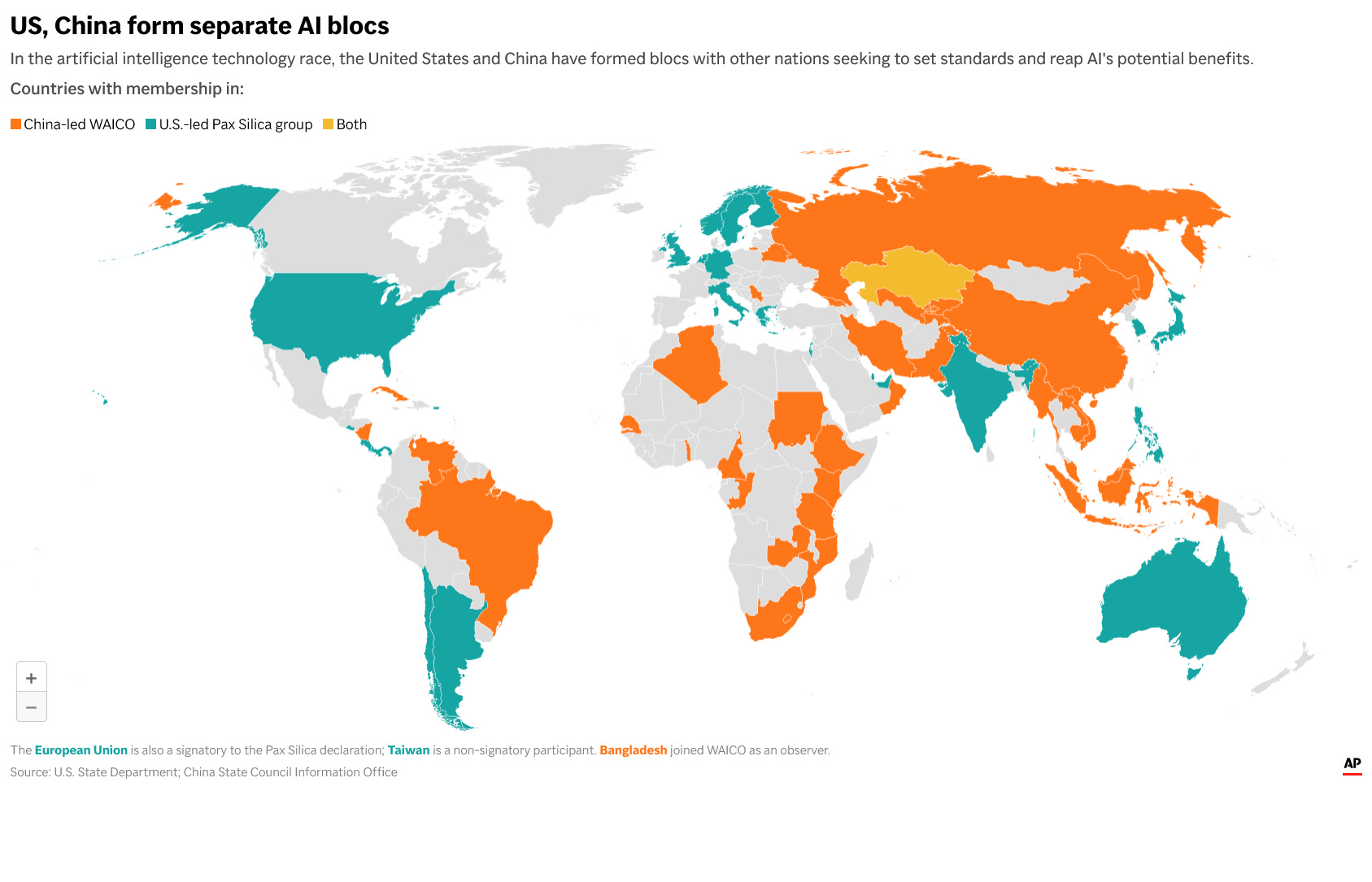
From the cliodynamic point of view, such competition is actually not a bad thing, as long as it is contained within the economic sphere, without spilling into violence. As I’ve documented in my book The Great Holocene Transformation, the chief driver explaining the evolution of social complexity is competition between states.
Just as the Space Race, the Cold War-era competition between the United States and the Soviet Union, was a major reason we today have modern space industries, the incipient AGI race is likely to have the same effect on accelerating AI research and, hopefully, will also make the fruits of this technology broadly available to common people.
The third theme was related to this aspiration. Many speakers emphasized that, unlike American way of developing AGI, which is driven by the capitalist logic, the Chinese way is based on Chinese philosophy. The main objective is to serve people. As one speaker said, the goal is “bringing digital outcomes closer to everyday life, and people enjoying a growing sense of fulfillment, happiness and security.” They even already published a whole book expanding on this message, but unfortunately it was in Chinese, so I didn’t get the details.
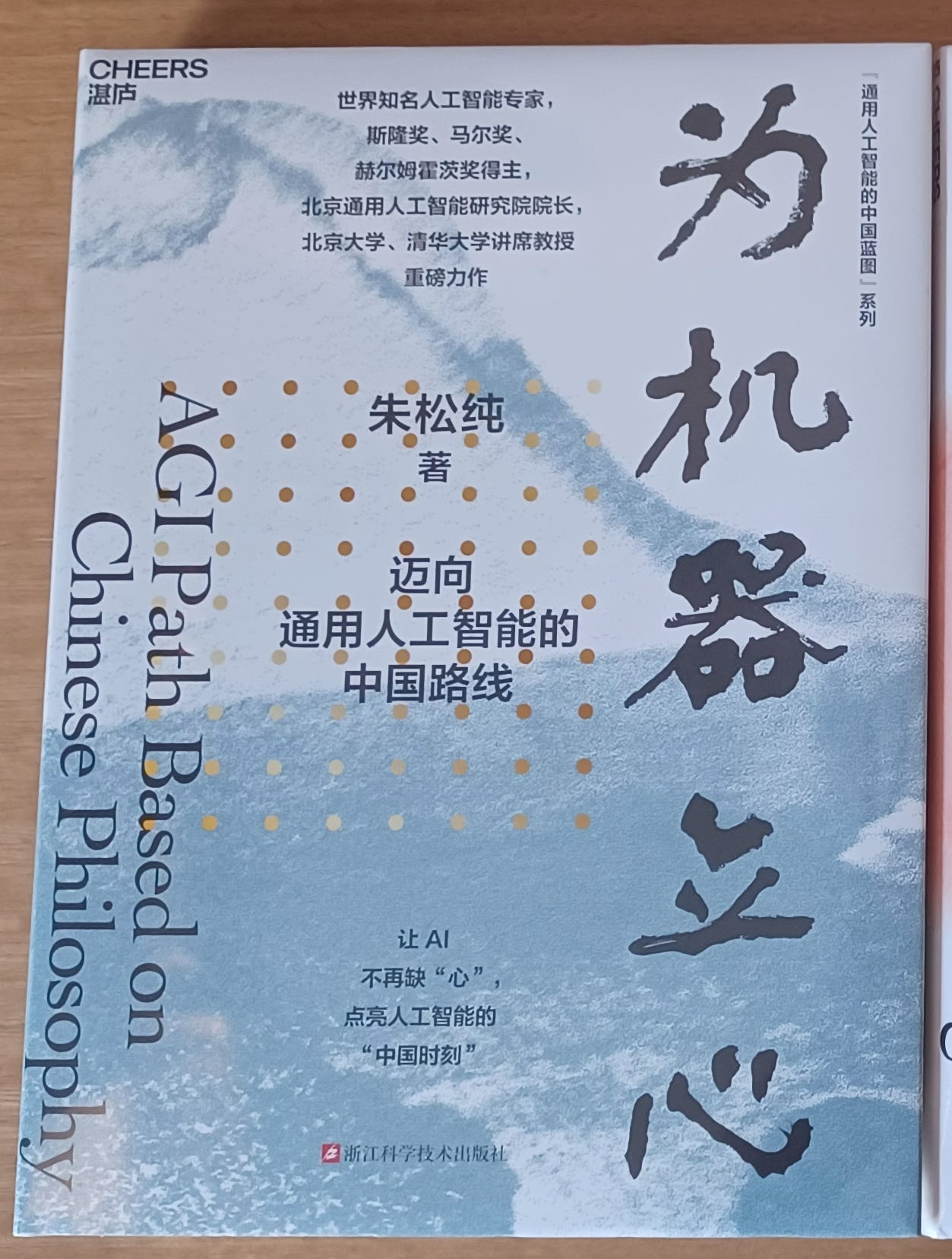
The future will show how much of this is propaganda, and how much is real.
A final observation. At one point during the meeting, I asked a Chinese colleague, why was Chongqing chosen to be the next AI hub? He told me that the reason has to do with security. Unlike other hubs, CQ is situated far from external borders, almost precisely in the geographical center of the country, which makes it the most defensible location in case of war.
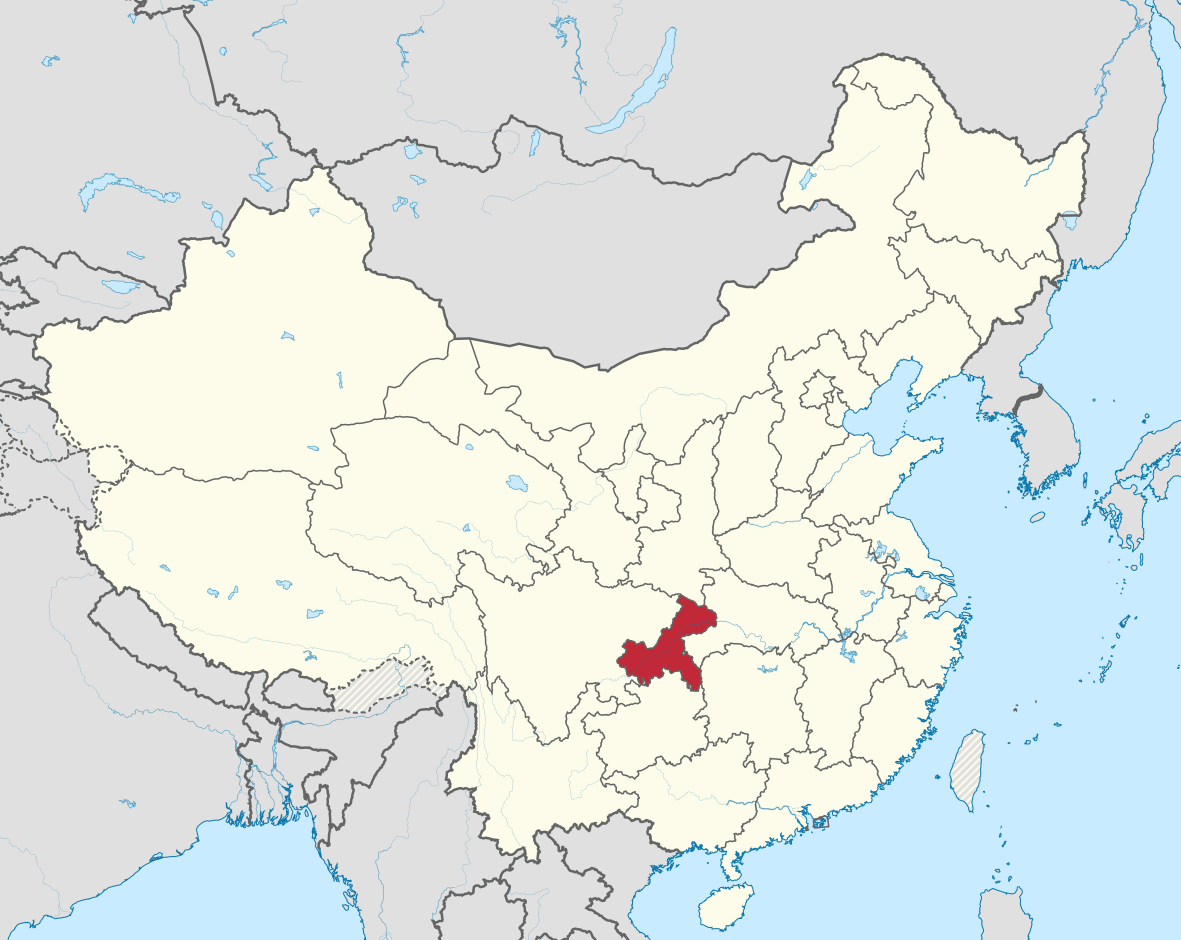
Location of Chongqing Municipality within China
In other words, the threat of “external interference” (which I noted above) is taken quite seriously by the Chinese leadership. It is interesting that during the worst years of the Century of Humiliation — the late 1930s — CQ became the capital of China. It was there where Generalissimo Chiang Kai-shek was based. I had half a day free after the end of the conference, and so I toured the wartime command center, which is now the site of Chongqing Anti-Japanese War Relics Museum.
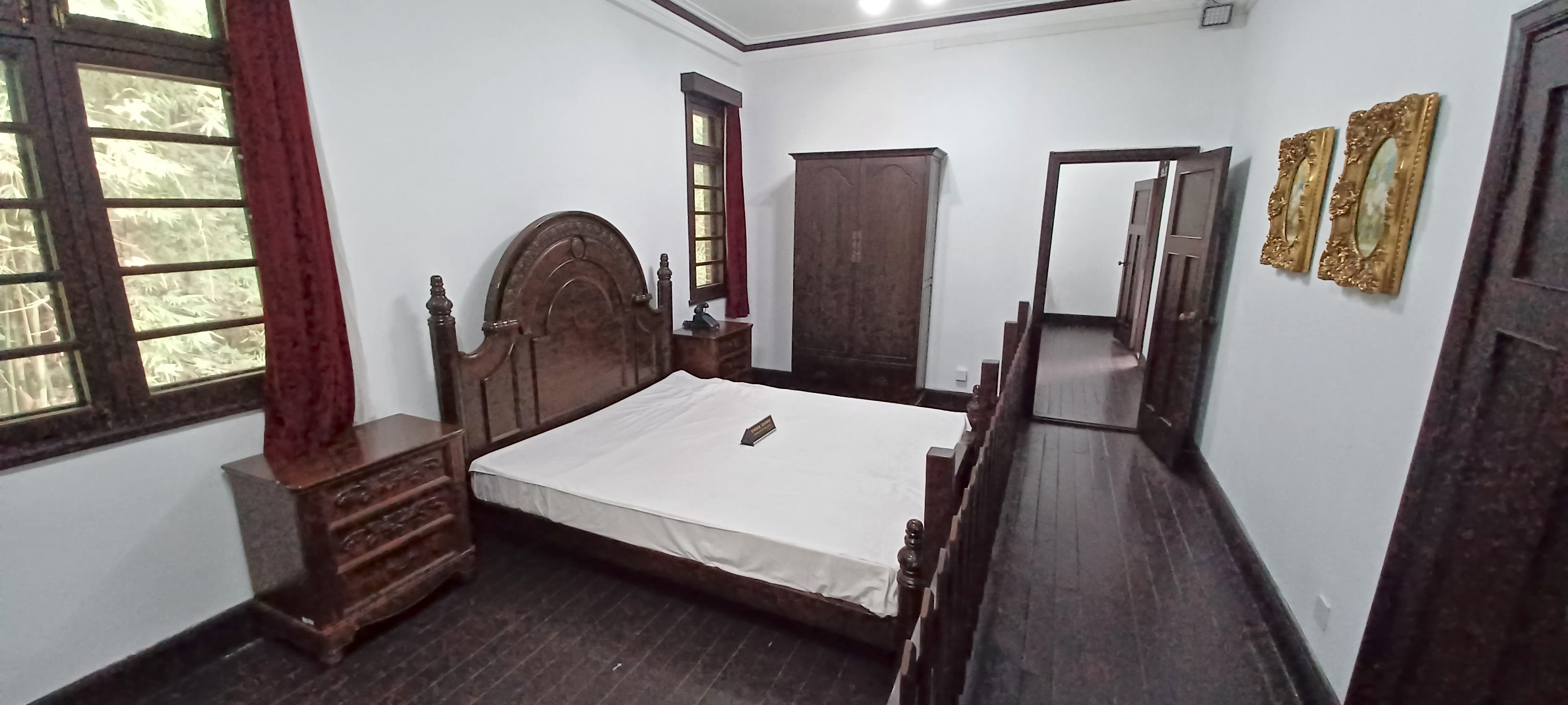
Chiang Kai-shek’s bedroom (Chongqing Anti-Japanese War Relics Museum).
After Chongqing, I went to Chengdu, which has long been on my list of places to visit, due to its rich history and archaeology. But this post has already gotten quite long, so I’ll save my Chengdu experiences for another one and will hit the send button.