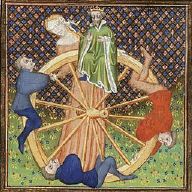
War and Peace and War (WPW) was my first “trade” (popular and non-technical) book. The proximate reason I decided to write it was being approached in 2004 by a publisher from Penguin Random House. By that point, I had published three academic books, including most recently Historical Dynamics (2003). But I was very receptive to the idea of writing a popular book that would build on the theories and results in Historical Dynamics. I felt at that time (and still do) that we, working scientists, have an obligation to the society that makes our work possible. At the very least, we need to explain the results from our science to the public in non-technical language.
When I signed the contract with PRH, I was extremely naïve about the realities of book publishing. I didn’t have an agent and I agreed to a very modest advance. For those of you, budding writers, always go for as big advance as you can possibly get. This will ensure that the publishing house will be serious about promoting your book, because they have to protect their initial investment (your advance).
What happened with WPW was that the publisher and his team put a lot of effort in guiding my writing and editing — but they spent no effort or money on its promotion. To be fair, the PRH imprint that published my book (called Pi Press) was shut down by the parent company and all people responsible for my book were moved to other divisions. So, their minds were not on promoting my book. Any promotion that happened was 100% my own effort. As the Russian saying goes, “saving drowning people is the task for drowning people themselves.”
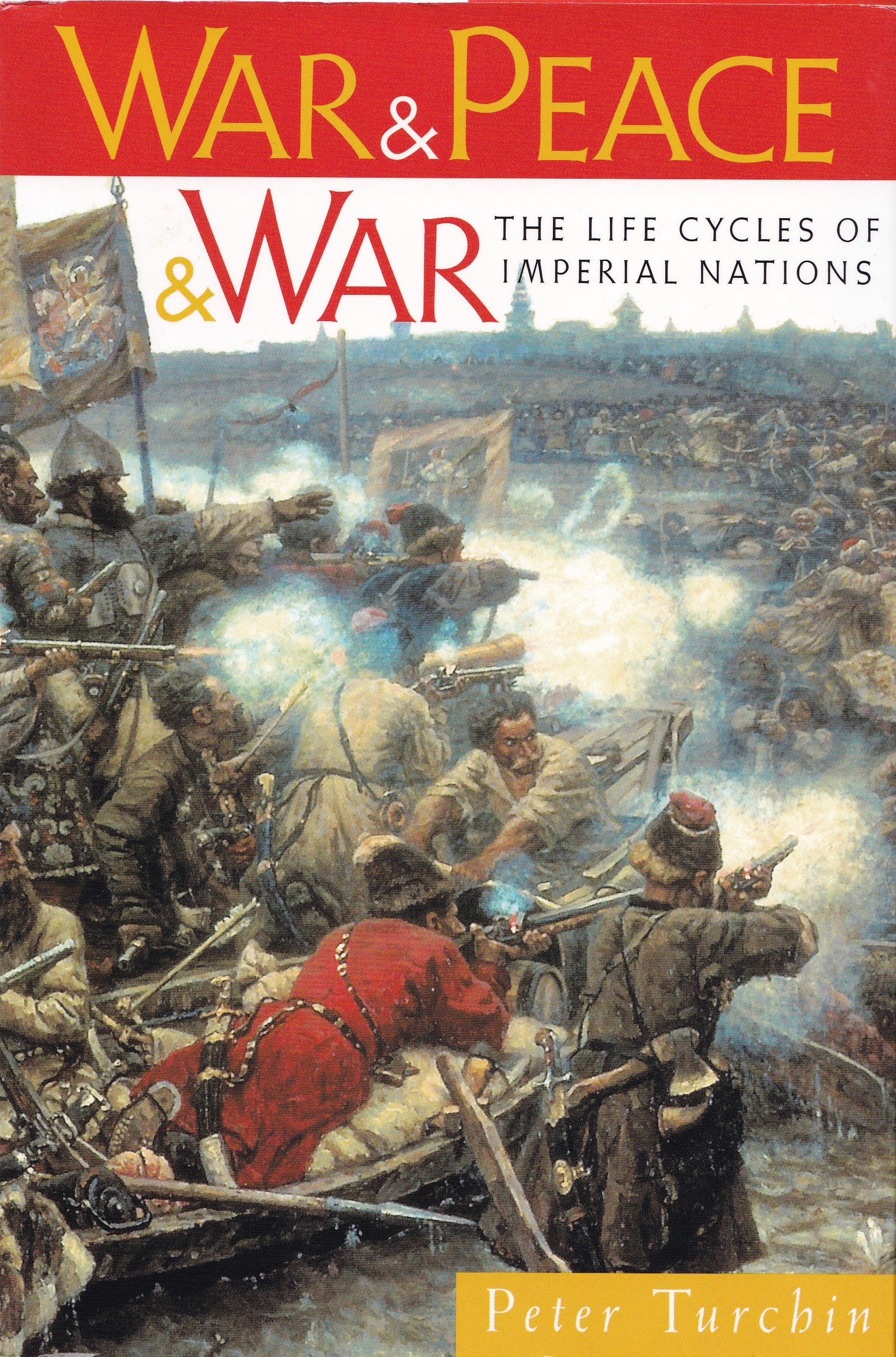
In any case, the hardback was published in 2005. Here’s the original cover (based on the painting Yermak’s Conquest of Siberia by Vasily Surikov).
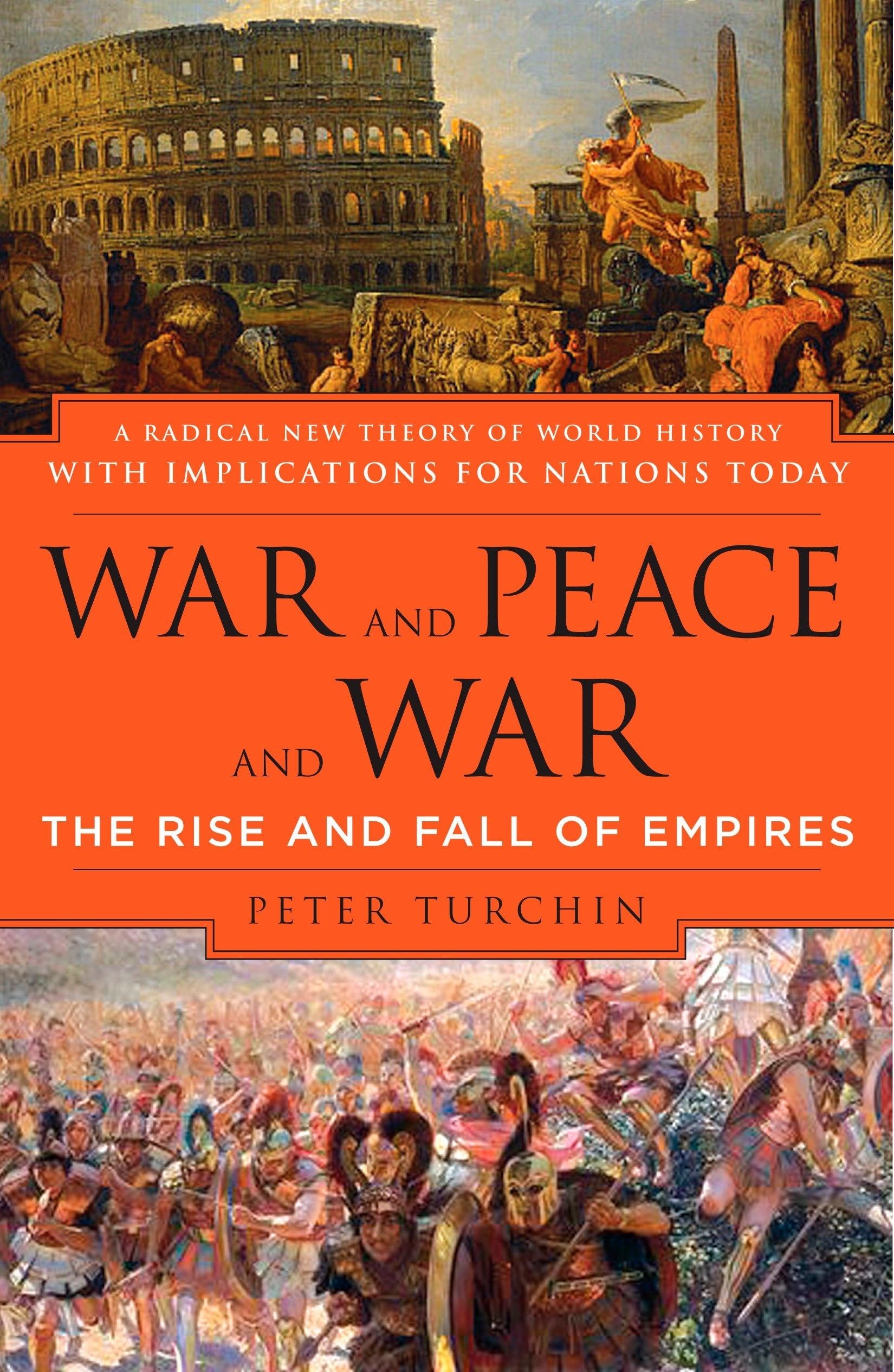
The paperback edition cover was, in my opinion, less striking and more conventional (also note the changed subtitle). But these decisions are the province of the publisher, not the author.
In any case, after publication WPW didn’t become an instant bestseller, to say the least. On the other hand, more than twenty years later it continues to sell at a remarkably steady rate. In fact, over the past ten years the rate of sales per month increased (especially noticeably after 2020). This is pretty unusual, because the great majority of nonfiction books sell most copies in their first year (or even the first three months) after publication. A typical half-life of a book is on the order of a year. Because the WPW sales are increasing, rather than decreasing, as they should, its estimated half-life is effectively infinity.
In retrospect, I see two reasons for this extended shelf time. First, books about history tend to age well. Second, and more important, the scientific field, on which the book is based, Cliodynamics, has aged well — perhaps “matured” is a better word. I’ll talk more about it in the next post.
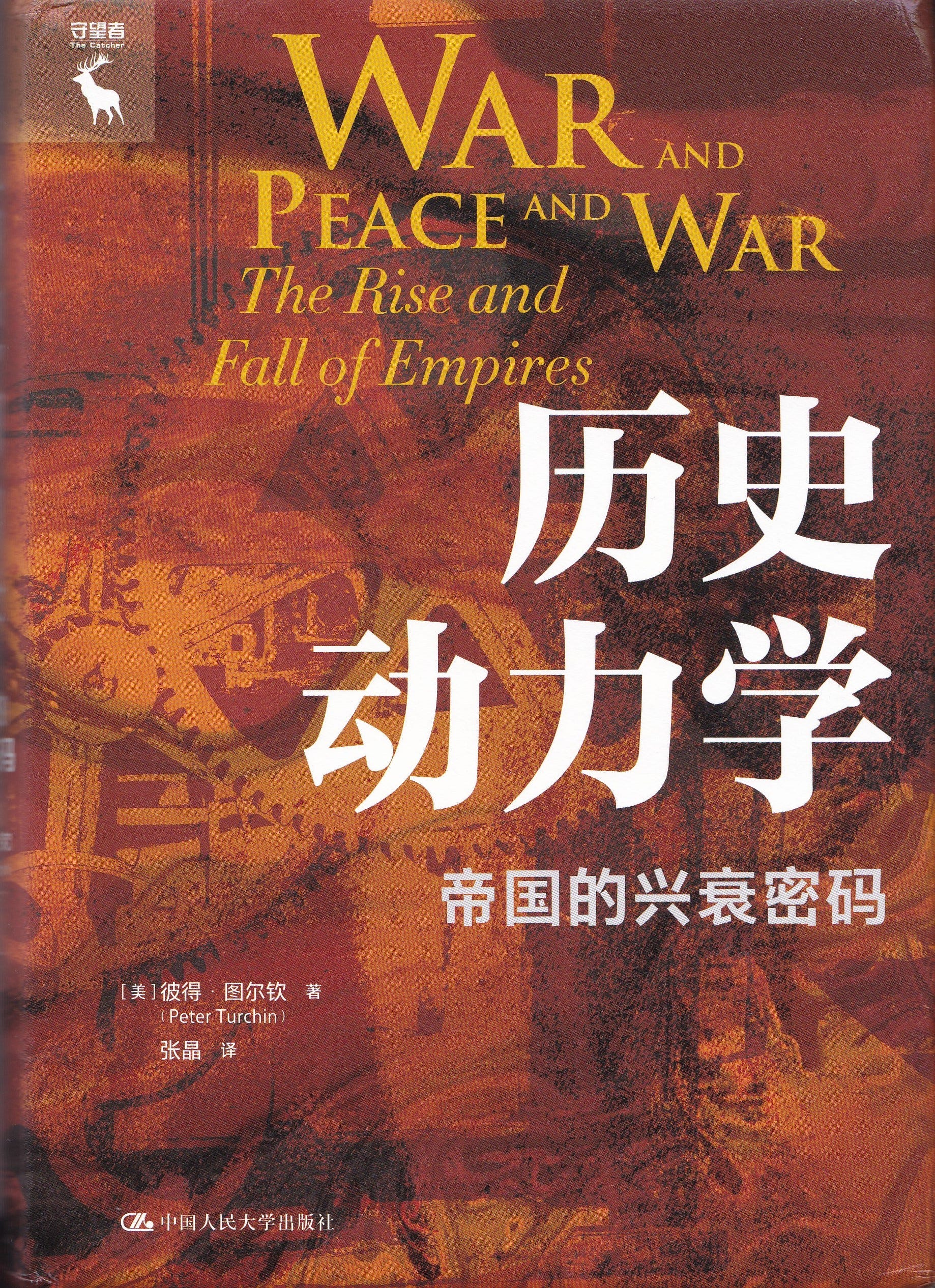
So far WPW has been translated into nine languages, with most of these translations happening very recently. For example, the Chinese version has just been published, or should be available soon, as last week I received my author copies.
And a French translation will be published on October 22:
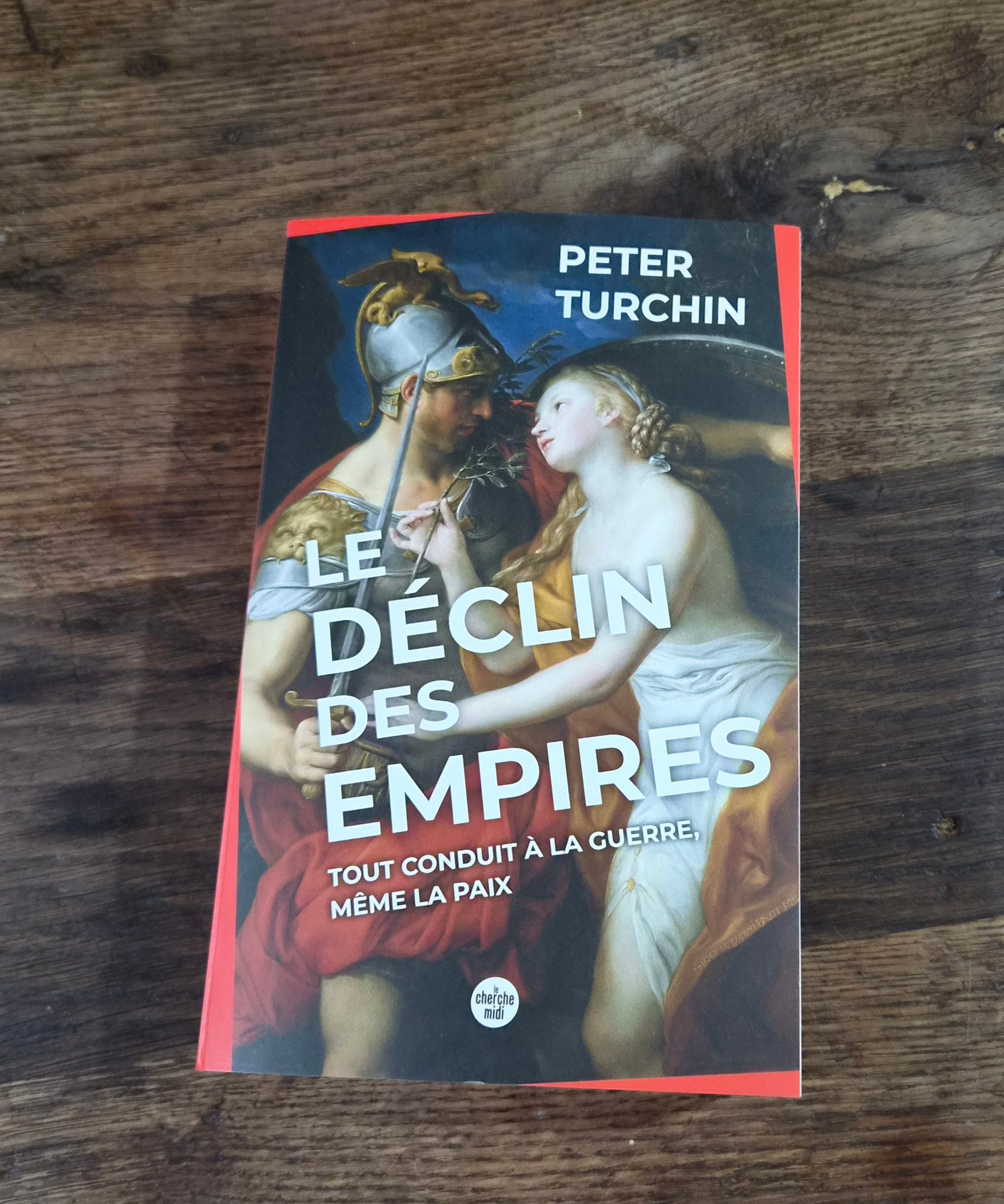
As I haven’t yet received my author copies, this image is thanks to my translator Peggy Sastre. In fact, Peggy is more than just a translator. She is a major reason that my books have become available in French translations, because it was she who persuaded a French publishing house to acquire the French rights to End Times, which was published under the title Le Chaos Qui Vient. Incidentally, judging by sales of End Times, it did really well in France. In fact, the French translation outsold any other translation by a wide margin.
I am particularly pleased about this development because it was French history that played an outsized role in my decision to launch Cliodynamics. People often ask me whether I was influenced by Isaac Asimov’s Foundation, but in fact the reason I acquired keen interest in history was via reading French historical romances by Alexandre Dumas, Prosper Mérimée, and Maurice Druon. Now, in retrospect, I realize that almost all of their best novels take place during the disintegrative periods of French history (for a periodization into integrative/disintegrative phases, see my recent post Demography of Polities II: France’s PolitiSequence). Thus, d’Artagnan and the three musketeers participate in the siege of La Rochelle during the Huguenot Rebellions, while the historical background of Twenty Year After is the Fronde in France and the Civil War in England. La Reine Margot (also Dumas) and A Chronicle of the Reign of Charles IX (Mérimée) take place during the Wars of Religion. And Druon’s masterpiece, Les Rois Maudits, show France sliding into the catastrophic Hundred Years War.

It wasn’t fun for people living during those times of trouble, but they certainly provide a great setting for historical novels. I hope that my book will help readers understand the deep structural forces that led to these recurrent crises in French history. And that by illuminating the past, Cliodynamic theories and empirical results will help us understand our present, and perhaps move us towards a better future.
PS. Just as I was writing this post, in Paris two separate major protests – one led by trade unions, the other by students – have converged into one massive demonstration (source).