
by Scott Noverin Superorganizers
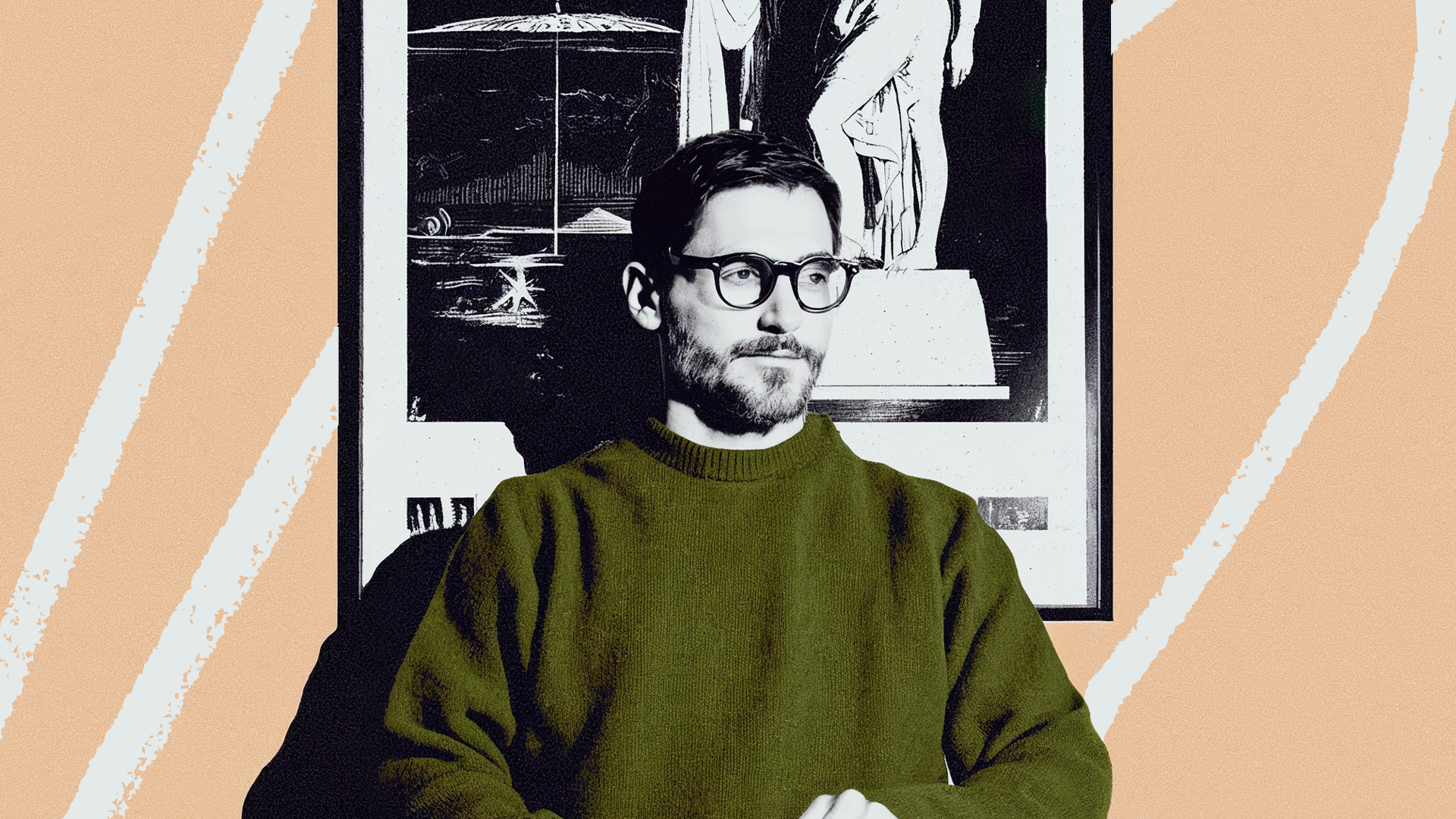
Midjourney/Every illustration.
In my first job in tech at Medium, Craig Mod was one of my earliest—and most important—sounding boards. As an early reader of his just-published memoir, Things Become Other Things, I was happy to return the favor. Read on to learn about the productivity system that allows him to produce books, newsletters, and a membership program, including 300-mile walks, Google Sheets, the Things app, and Claude Code.—Kate Lee
Was this newsletter forwarded to you? Sign up to get it in your inbox.
As Craig Mod prepares for a six‑week U.S. tour for the May 6 launch of his memoir Things Become Other Things, the Japan‑based writer‑photographer still treats walking as the ”operating system” for all his work. The long treks that have fed his books, newsletters, and members-only website have since grown into week‑long walking salons with Wired cofounder Kevin Kelly and a New York Times feature that brought viral fame to a quiet Japanese city. We caught up with Mod to learn how Google Sheets, the Things app, and plans for a 300-mile solo walk keep him moving—creatively and literally—even as media requests pile up.
What's changed since we last spoke?
Oh god, what hasn’t changed! I’ve gone on many more walks and co-led a bunch of Walk and Talks with Kevin Kelly around the globe. These are “movable salons” where we take groups on weeklong trips to foster deep conversations. I also accidentally introduced the northern Japanese city of Morioka to the world via the New York Times’s 52 Places to Go in 2023. It placed number 2 after London that year. My article sent the media and the country into a frenzy. I’ve since fielded about 100 TV, radio, magazine, and newspaper interviews. I even made a TV show with the comedian Tamori, one of Japan’s biggest celebrities, and am now a regular on a few radio shows.
My 2020 book Kissa by Kissa came out in Japanese in 2024, which has led to additional media and event appearances. And my book Things Become Other Things goes on sale in the U.S. on May 6. It’s the first book I’ve done with a major publisher.
I also have a new photography book coming out called OTHER THING, a companion to Things Become Other Things.
Do you still think of walking as an operating system?
Yep. An “operating system” for catalyzing creative work and thinking. Ironically, because of all the media around my work that came about because of walking, I’m finding it harder than ever to shove a good 30-day walk into my life. I’ve also taken more time to think about how I want to live. For example, I’m building out a studio space, which in theory should make the book work a little smoother (up until now there’s been a lot of covering my living room floor in printouts and leaving it that way for weeks, which is suboptimal). But the walk itch is omnipresent, and my goal is to do at least one big solo walk later this year—say, 10 cities, about 500 kilometers over the course of a month.
Do you still plan and track your walks in Google Sheets?
Oh, I’m 100 percent still a Google Sheets boy. Show me something better and I’ll use it. There’s a blunt simplicity coupled with an incredible collaborative power to Google Sheets and Google Docs that feels unmatched and leaves me wanting nothing more.
What tools do you rely on to get your work done?
Things [a personal task manager] is my “collection box” of to-dos and must-remembers, which I’ve now been using for close to 20 years. It’s miraculous software, and I am grateful for [Things creator] Cultured Code being one of the last bastions of true “artisanal” (i.e., giving a shit) software production on macOS. It’s such a fluid, graceful piece of software. Simple, but with power moves going on behind the scenes.
Ulysses is still my main writing software, if only because it works with a big Dropbox folder of Markdown files and gets out of the way.
Google Docs is for anything I need an editor’s eyeballs on.
Google Sheets combined with coding scripts is how I process my expenses and figure out taxes.
Apple’s bog-standard Mail app with a whitelist of VIPs is how I get any emails done. My inbox has become untenable in recent years, but by simply having a list of VIPs and only looking at their emails, it’s manageable. I also like Mimestream, but because they don’t have a notion of VIPs, I can’t use it as efficiently as the standard Mail app.
How has AI changed how you think about or do your work?
Click here to read the full post
Want the full text of all articles in RSS? Become a subscriber, or learn more.