
by Scott Noverin Superorganizers
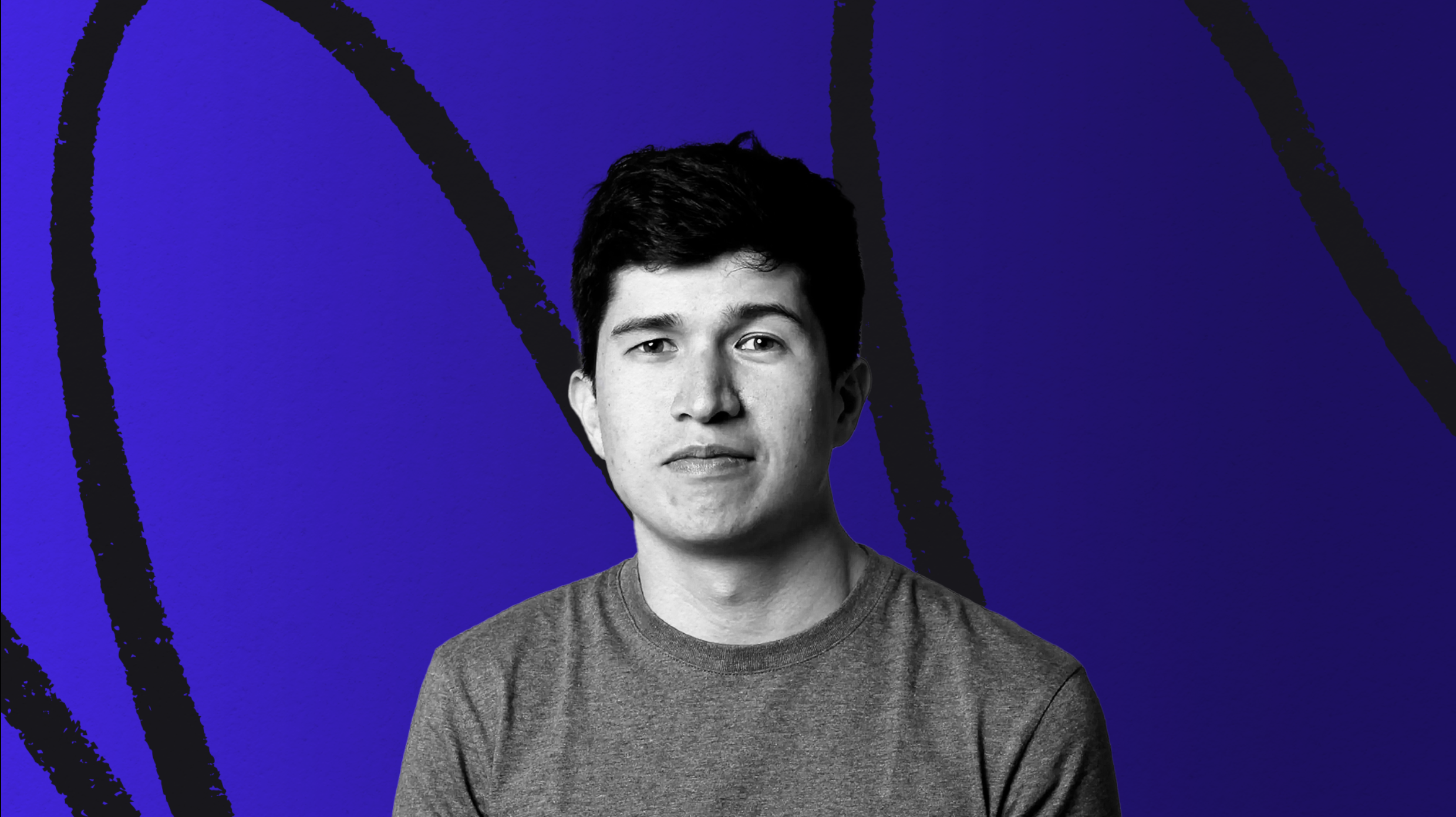
Every illustration/Ceasar Bautista.
I'm fascinated with how the smartest people in the world get their work done. That's what Superorganizers is about: seeing all of the little habits that make up a great work day and a great life. Artificial intelligence has changed what it means to be productive and efficient at work, so we decided to revisit some of our favorite interview subjects to understand how their routines have changed in the era of AI models. Most recently, we spoke to startup adviser Gaurav Vohra. Today, we’re back with software engineer Ceasar Bautista for an update on our very first edition of this column.—Dan Shipper
Was this newsletter forwarded to you? Sign up to get it in your inbox.
Ceasar Bautista has been writing his own personal encyclopedia since 2013. It's like Wikipedia for his life. When we last spoke to him in 2019, Bautista—then a software engineer at the venture capital firm Signal Fire—was documenting everything he knew so he never forgot what he learned. He has entries as varied as modern art, linear growth, travel insurance, and enamel.
Years later, his encyclopedia continues—it now comprises 3,061 articles with 3,835 images. But his philosophy around note-taking has changed considerably. We caught up with Bautista about his evolving approach to acquiring knowledge, why he's become skeptical of productivity apps, and his newfound obsession with stoking his memory using Anki flashcards.
What was the original concept behind the personal encyclopedia?
In college, I was forgetting the contents of some books I had read and loved, and was stumbling trying to explain them. I’d read these books only a few years earlier, which meant the half-life of my memory was extremely short.
I wanted to try different hierarchical ways to organize notes, but was failing. There probably is no great way to divide up the branches of knowledge in a clean tree structure because there’s a ton of overlap. But that’s what I was trying to do—my original goal was to create beautiful notes, rather than actually have them serve my goals.
More than a decade later, the reality of the situation was that I had serious undiagnosed problems with generalized anxiety disorder. One of the symptoms of anxiety is to obsessively research things. I do think some amount of note-taking makes sense and is reasonable, but if the goal is real productivity, we have to keep our priorities straight, and make sure notes are pretty far down on the list.
Are you still keeping up the encyclopedia? What's stayed the same and what's changed?
Become a paid subscriber to Every to unlock this piece and learn about:
- Why being a "collector of information" might work against you
- How to balance a thirst for knowledge with a quest for meaningful learning
- The value of on working on the right things, rather than just working faster
Click here to read the full post
Want the full text of all articles in RSS? Become a subscriber, or learn more.