America at 250: Stoic Virtue and the Future of the American Experiment

Follow into
Save into
Follow into
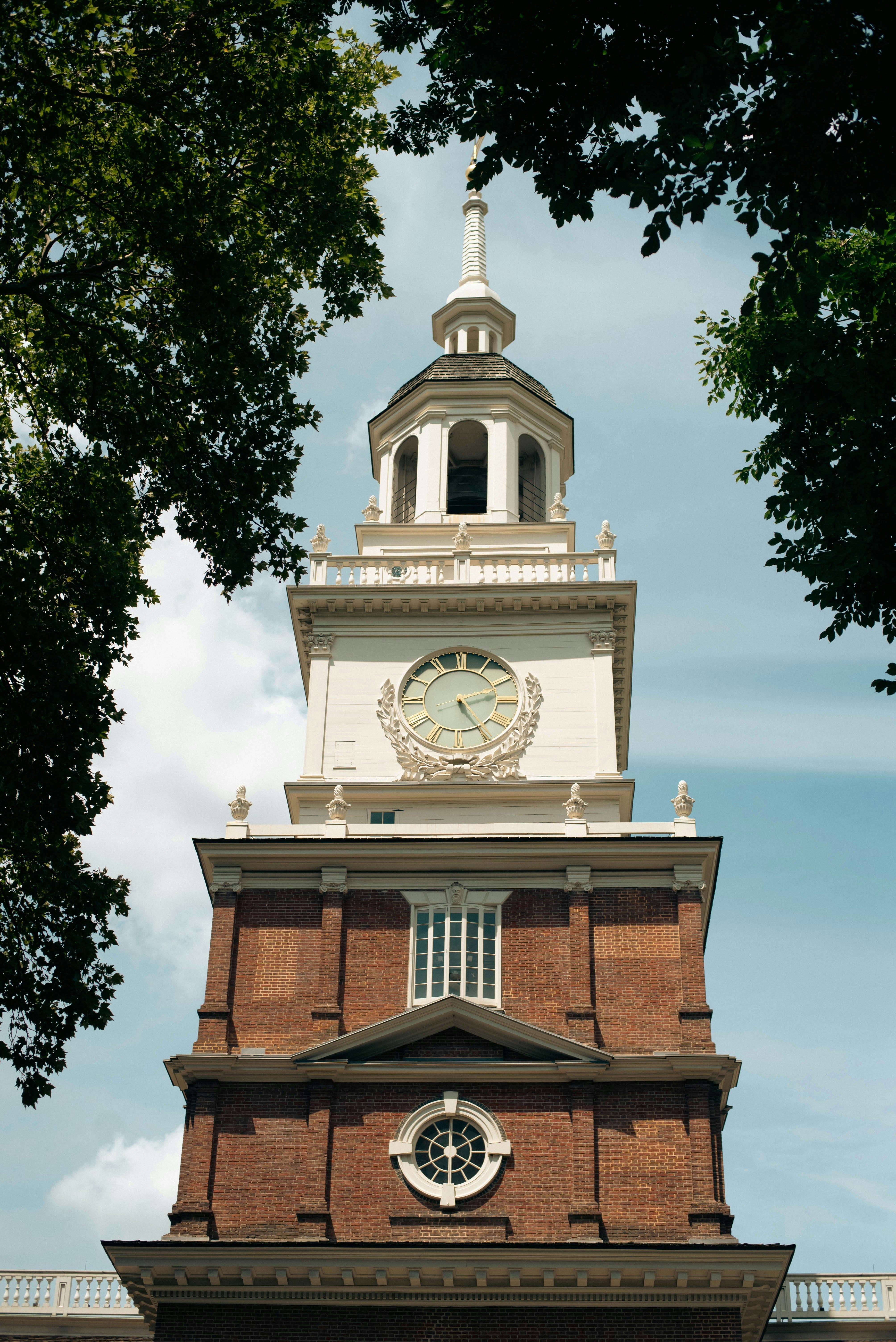
Welcome to Stoicism Today! This week we are pleased to share a conference announcement for a special in-person event in October. Join the Philadelphia Stoa to celebrate and discuss the Stoic foundations of American government and civic virtue. Register at the link below.
As the United States marks its 250th anniversary this year, we’re gathering in the city where the American experiment began to ask: what does it take for self-government to endure?
The Founders read their Cicero, their Seneca, their Epictetus. They built a republic on the assumption that liberty requires virtue — that free institutions only survive if the people inside them practice self-command, judgment, and courage. Two hundred fifty years later, in an age of algorithmic outrage and institutional distrust, that assumption is worth revisiting.
America at 250: Stoic Virtue and the Future of the American Experiment brings together philosophers, historians, and legal scholars for a day of conversation on Stoic philosophy, constitutional theory, and civic virtue, and what they have to say to a democracy navigating the digital age.
Location: The Historical Society of Pennsylvania, Philadelphia
Date: October 24, 2026
Who’s speaking:
- Massimo Pigliucci — philosopher and author, one of the leading voices in the modern Stoic revival
- Sophia Rosenfeld — historian of democracy and political thought
- Ward Farnsworth — legal scholar and author of The Practicing Stoic
- Gregory Sadler — philosopher and founder of ReasonIO, known for his work bringing Stoic texts to a broad public
- Kermit Roosevelt III — constitutional law scholar
- Delegate Cliff Hayes — Virginia state legislator, bringing a practitioner’s view of civic life to the conversation
Across the day, they’ll take up the questions at the heart of the American project: How does a constitutional order depend on the character of its citizens? What did the Founders actually take from Stoicism, and what did they leave behind? And can ancient ideas about virtue, judgment, and self-governance help us think more clearly about civic life today?
Why this, why now
Stoicism has enjoyed a remarkable popular resurgence — but most of that conversation has stayed personal: resilience, calm, daily practice. This conference asks a different question. The Stoics weren’t just interested in the well-ordered soul; they were deeply concerned with the well-ordered polis. Marcus Aurelius wrote as an emperor. Cicero died defending the Republic. Stoic thought has always had a public, civic dimension — one that feels especially relevant as America marks a quarter-millennium of self-government.
This is a chance to think seriously, in good company, about virtue not as a private good but as the foundation of a free society.
Details
Seating is limited to keep the conversation substantive. This is a room built for engagement, not a lecture hall.
I’ll be emceeing the day myself — if you come, come find me and say hello.
Learn more and register at https://bit.ly/Philly-Stoa-250
We hope to see you in Philadelphia.
— Phil Yanov, on behalf of the Philadelphia Stoa
Thanks for reading Stoicism Today! This post is public so feel free to share it.
Image credit: Shiona Das via Unsplash