Two-Step Forwards, Ten Years Back
Follow into
Save into
Follow into
I know, I know. Two pimpage posts in a row. Not my usual shtick, and I assure you not any kind of new normal; the stars just aligned that way this time around. For what it’s worth, next time I expect to be talking about Darwinian evolution in digital ecosystems, complete with a tortured retcon arguing that I saw it all coming two decades ago with Maelstrom.
You know. The classics.
Forward One:
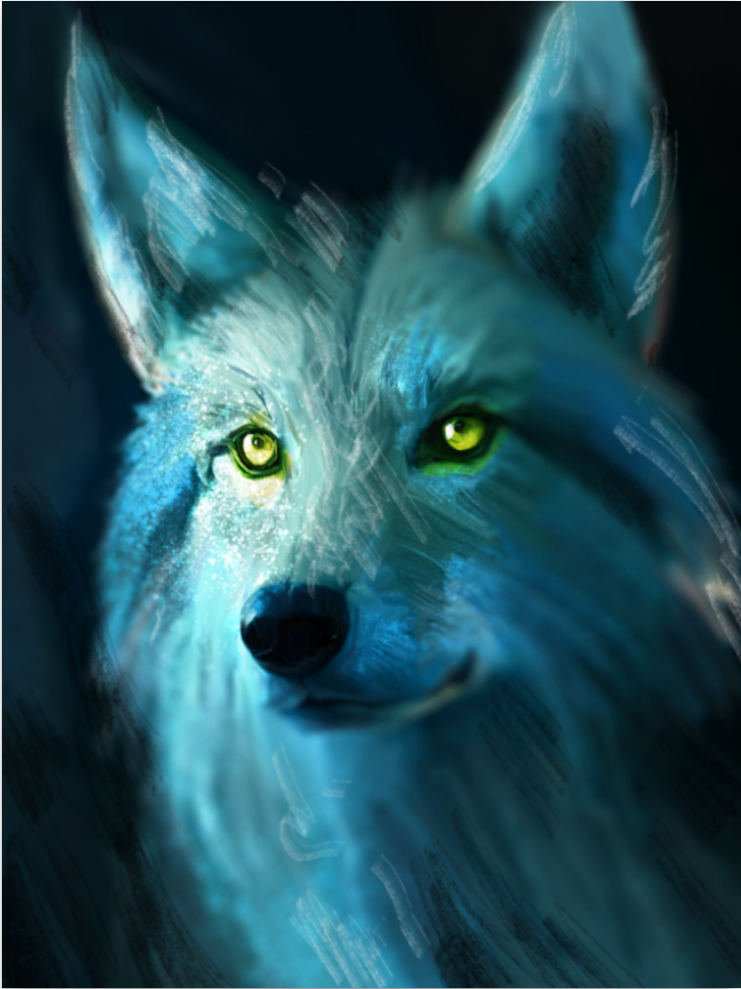
Artist, children’s author, musician, video maestro—not to mention good friend and RacketNX nemesis—Steven Archer is at it again. I’ve sung his praises before on this ‘crawl, even written a story based on one of his songs. I’m not the only one to appreciate the man’s work, even though darkwave grunge is about as far as you can get from my usual proggy aesthetic; he’s worked with entities as diverse as NASA and Alan Parsons. Neil Gaiman lauded his skills while Steven was still a student (granted, that endorsement has not aged as well as he might have hoped).
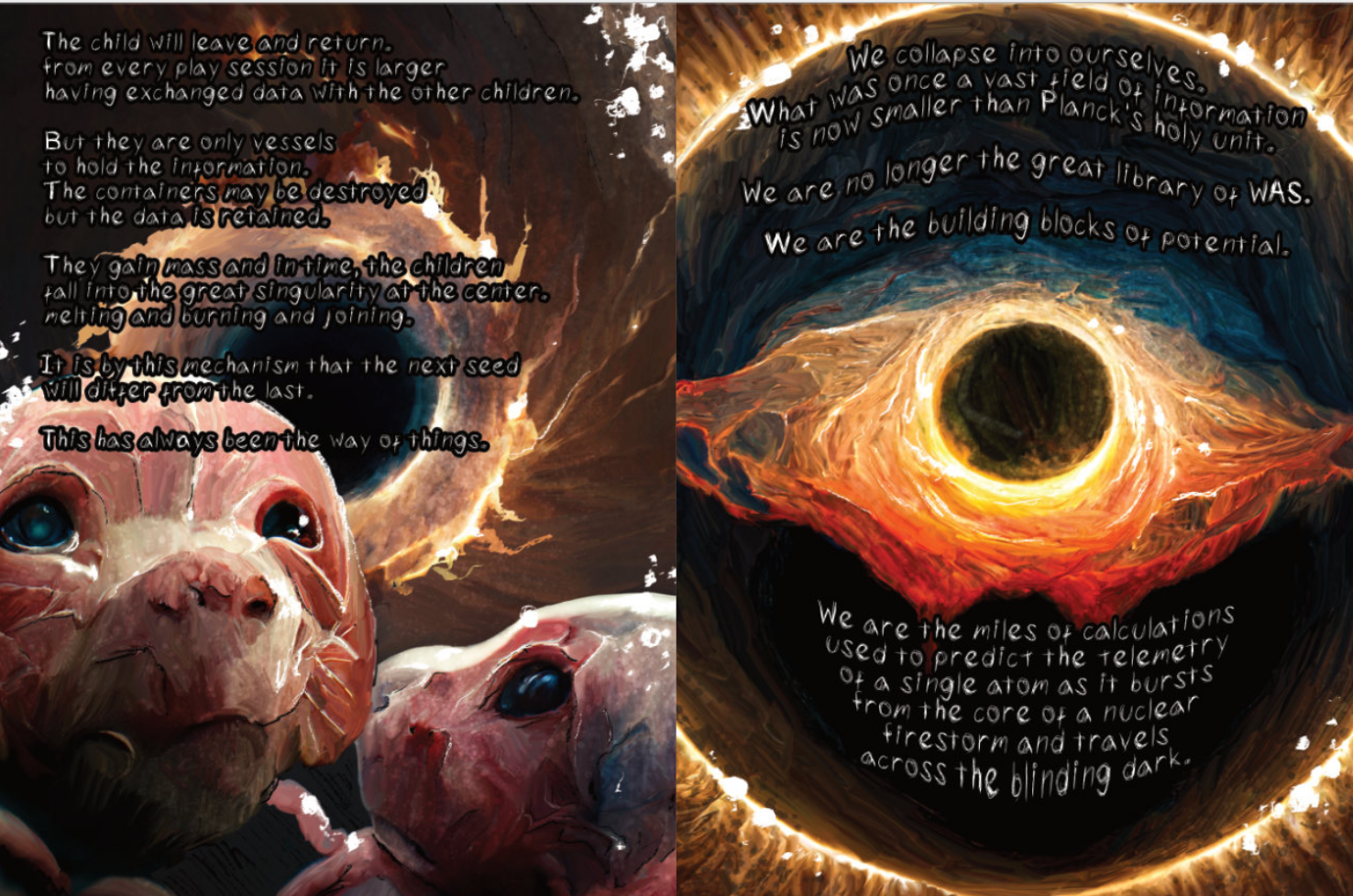
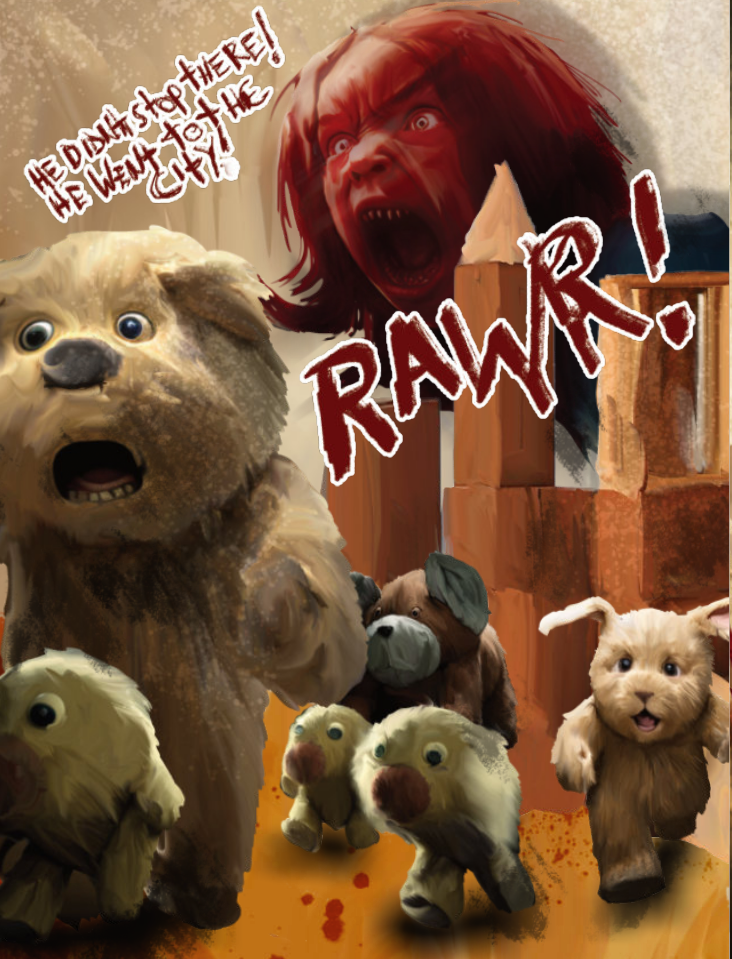
This time around he’s released a jagged graphic novel—a companion piece to Stoneburner’s Apex Predator album, though by no means do you have to experience one to appreciate the other— about canine deities who generally exist outside time and space but who, here in what we call reality, still crush cities underfoot like any self-respecting kaiju when they get pissed. Unlike last post’s Alevtina and Tamara, there’s no doubt that Tooth and Claw is a proper graphic novel. Its got a definite and coherent and very long story arc: it starts at the beginning of time (it’s a creation myth at heart) between “waves of energy so far apart you cannot call them heat”, and it ends in pretty much the same place. (Well, technically it ends with Nicholas Cage starring in a Ridley Scott movie about a giant wolf laying waste to the United States, but that’s just part of the epilogue).
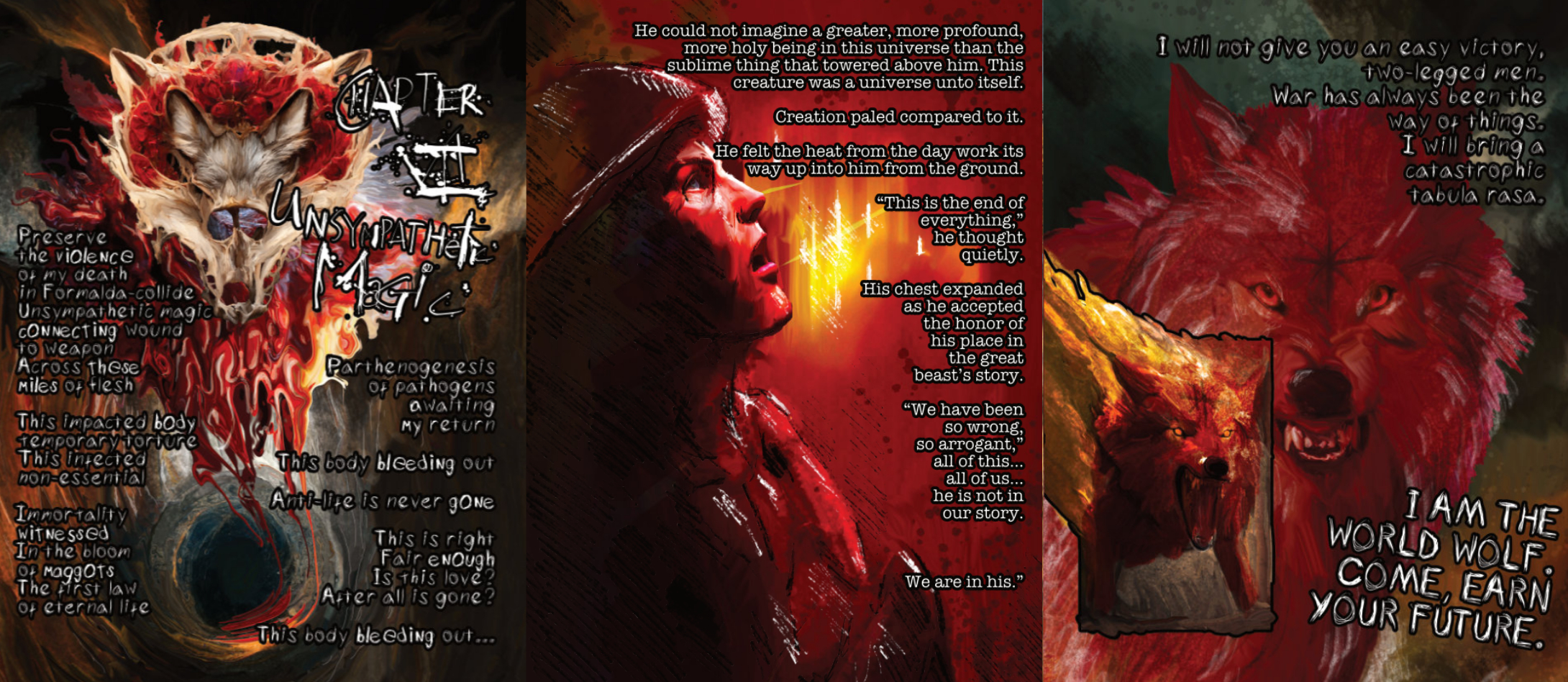
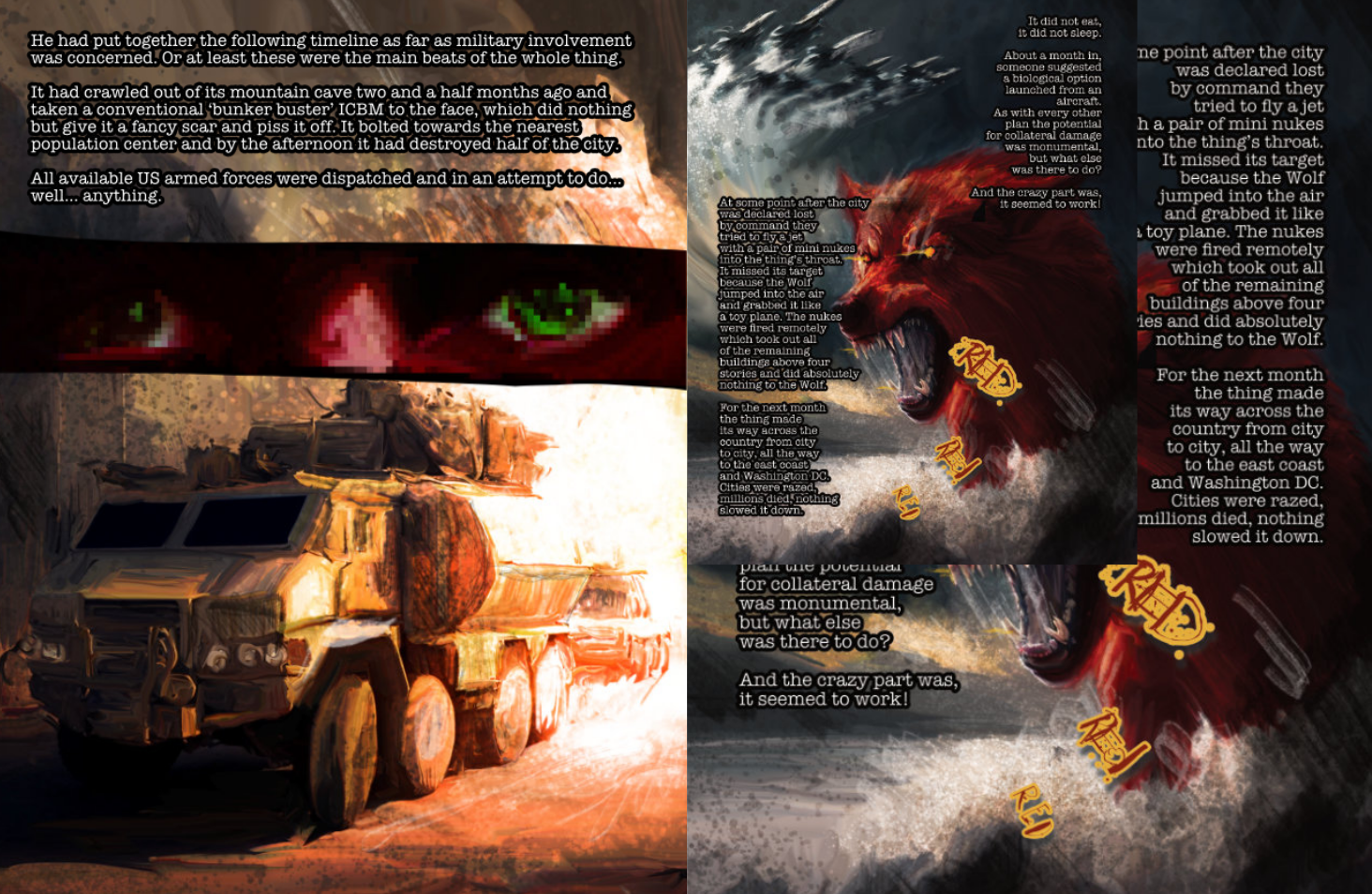
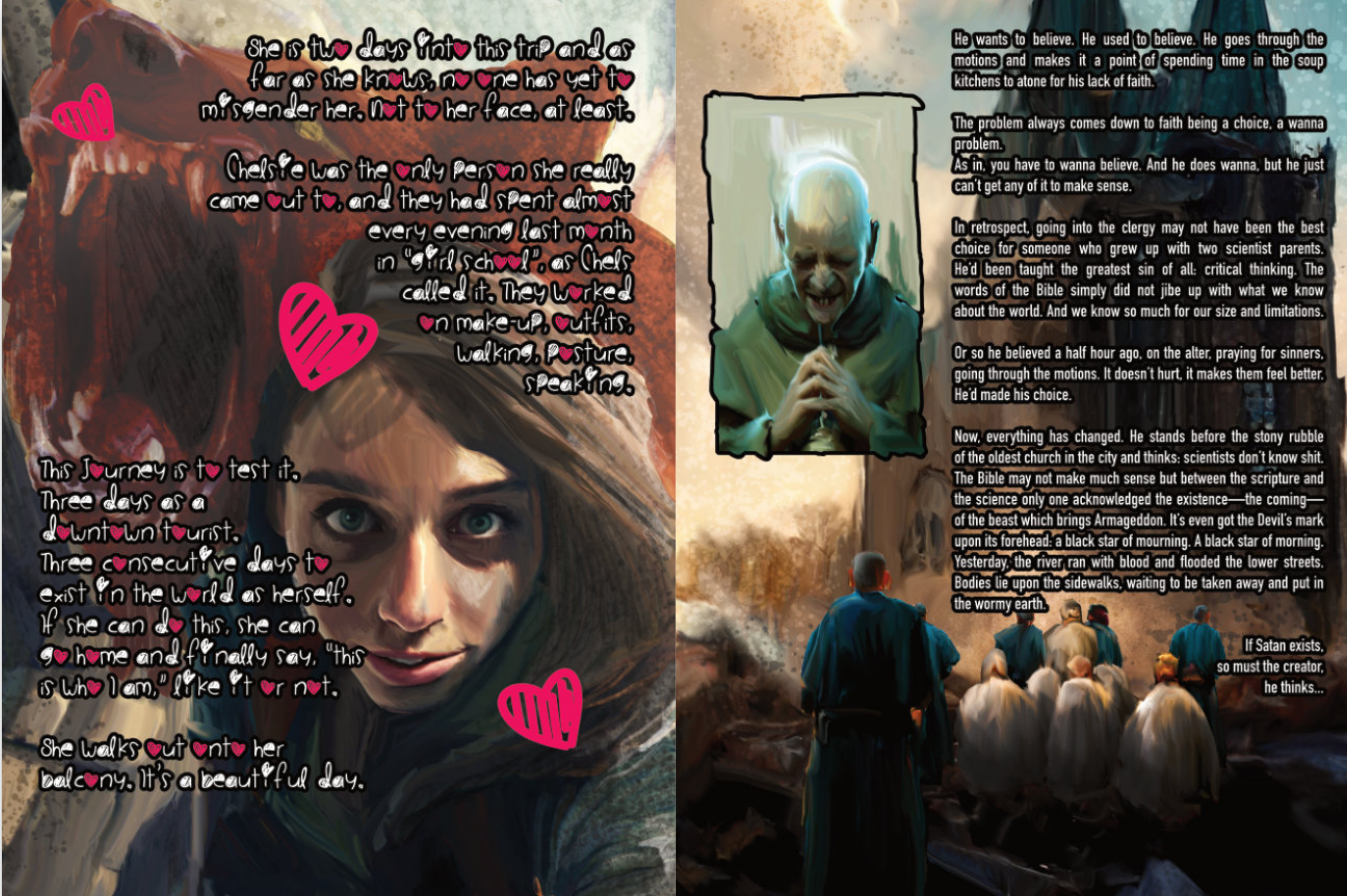
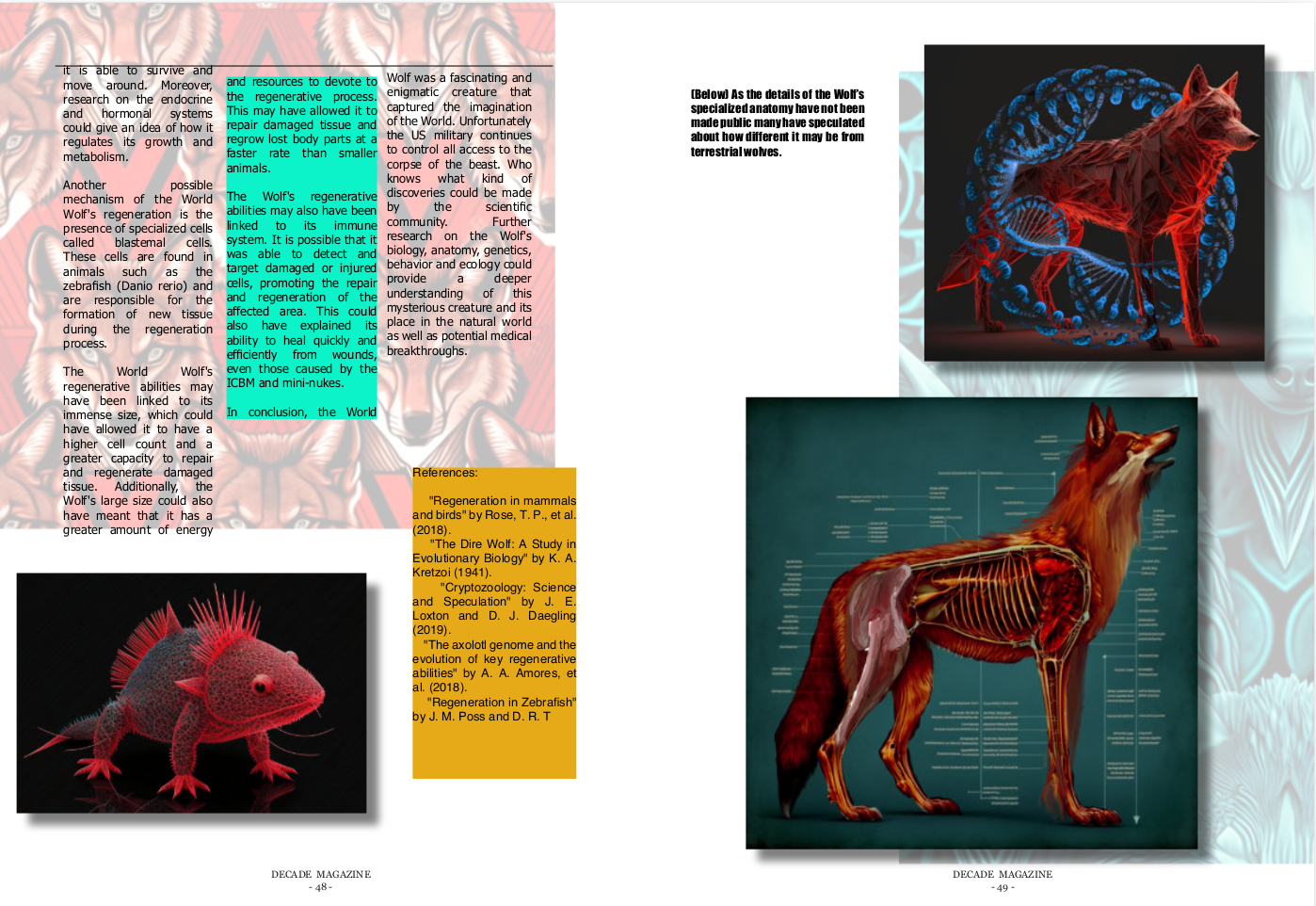
The art ranges all over the place, from saturated oils that bleed across the page to joyful childlike scribbles to even that A-word nobody uses any more for fear of provoking backlash. The verbiage, as usual, is a delight—“every species learns by breaking the things around them”, “there goes God, making the scientists look stupid again”, “I am what is left after the stars go out”. Vignettes unfold in singularities and coffee shops and frozen steppes and burning cities. The vibe ranges from Crichton to Call of Duty to Indigenous Creation Myth by way of Lee Smolin. Conspiracy theorists rage on the Internet. A girl on her sixth birthday reenacts Armageddon with her stuffed animals. Saturn’s Rings turn out to be the skid mark of an ancient deity slingshotting en route to earth. Soldiers just follow orders; scientists try to figure out how something the size of a mountain gets enough to eat. It’s really good.
I wrote the Forward. That’s pretty good too.
You can see the excerpts on this page. View the art, read the captions: a small taste, nothing more.
If you fancy a whole meal, here’s where you get it.
Forward Two
“Will the explorers manage to escape the crazed thing and fight their way back to the Endurance?” asks the back-jacket text for the batshit novella Poiesis, then goes on to answer itself:
“Probably, because this is Episode One of a saga.
“But hey, you never know.”
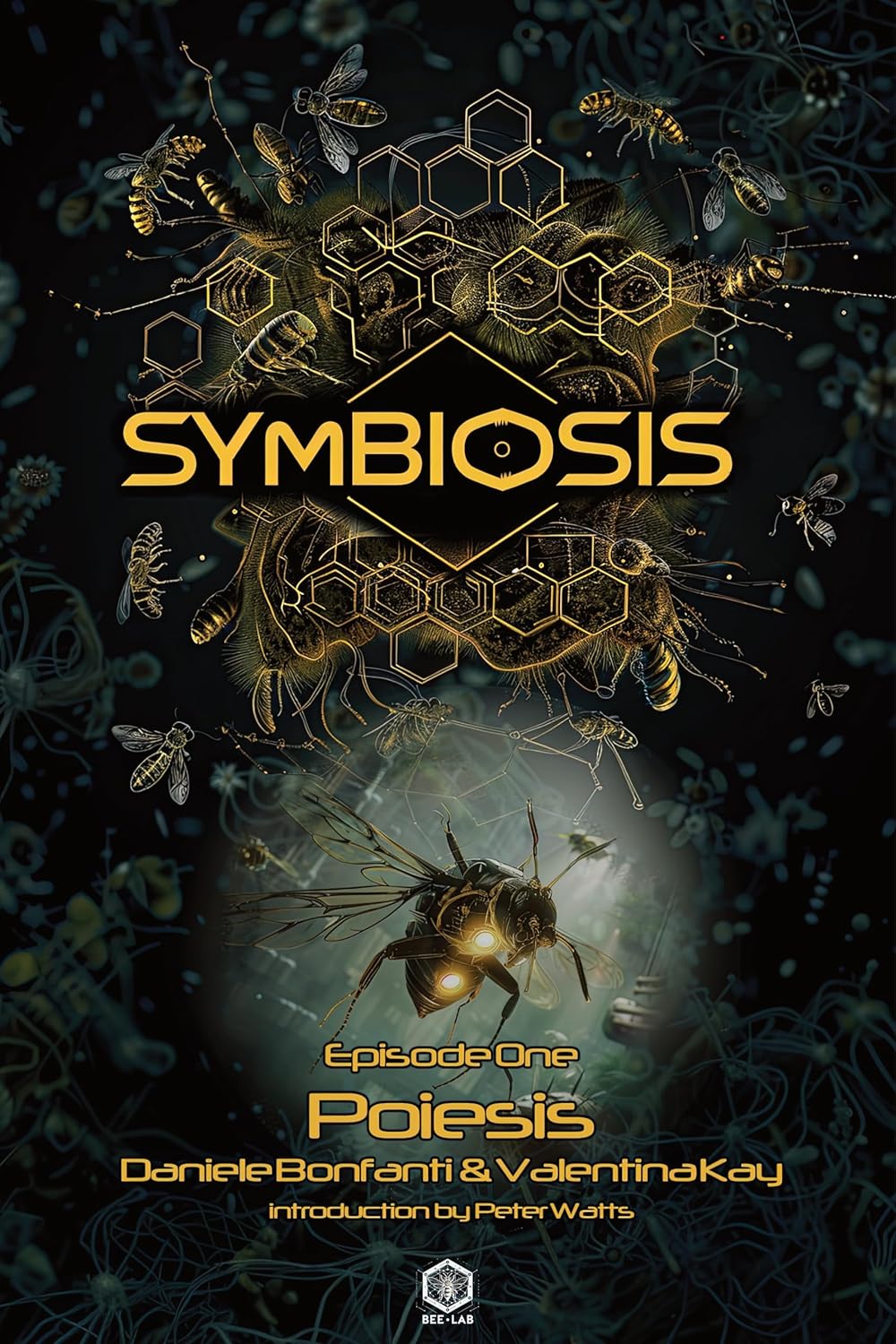
Which gives you a sense of the attitude that indie coauthors Valentina Kay and Daniele Bonfanti bring to their new venture: a splatterspace epic of indeterminate length, released one standalone chapter at a time, like some unholy love child of— well, in the Forward (yeah, I wrote one for this too) I describe it as something you might get if Sam Peckinpah and Quentin Tarantino collaborated on an episode of Doctor Who with Douglas Adams acting as creative consultant. I suppose that’s as good a description as any. Poiesis plays with some very big ideas (a title like that, how could it not?) but it doesn’t take them—or itself—too seriously. One of the series’ protagonists is a superintelligent swarm of bees who’s romantically involved with a sapient plant (the whole pollination thing, you understand). The good ship Endurance’s military muscle consists of a couple of cheerful jarheads to whom getting a limb blown off is all in a day’s work, and whose considerable arsenals include a gun that fires weaponized superbacteria the size of cocktail wienies. They all tool around the cosmos in a ship that, on the inside at least, looks like a seaside Mediterranean village, and they live in a reality formed by “the cognitions in the mind of the Universe actualized in perceptions”— which might have a familiar ring to anyone who’s encountered the work of Bernard Kastrup. (In fact, this whole dripping-viscera-laden first chapter revolves around questions of AI and consciousness in a way that suggests (to me, anyway) that Kay and Bonfante also have a passing familiarity with Penrose and Hameroff’s Orch OR hypothesis.)
The entire epic goes by the title Symbiosis. Only the first installment is out, so I don’t know where it’ll end up. But I do like the way it begins.
Ten Years Gone
I’ve done a fair number of podcasts over the years. Hell, I’ve done eight or nine in just the past year, two of those with Tales from the Bridge— at whom I seem to have become a semiregular, and whose crew got me onto a panel at Toronto’s FanExpo back in 2021 (an event to which, curiously, I have never been invited back. This might have something to do with my gleeful endorsement of a video clip I played off the top, in which one character addresses the self-righteous environmentalism of another by asking why she’d had a child if she cared about the environment so much, itemizing the enormous impacts that first-world reproduction inflicts on ol’ Earth, and offering to slit her sprog’s throat to help redress the imbalance. The young parents sitting in the front row with their toddler stormed out before I’d even reached the good part.)
I don’t usually pimp such appearances— partly because that’s the podcasters job, and partly because I don’t want to be one of those people forever thumping their tubs about every minor appearance as though it were somehow on a par with discovering life on Enceladus. But I seem to be on a roll here anyway, and this latest release from the Bridgers—just a few weeks old—isn’t so much an interview between podcasters and their guests as it is a long-overdue catch up between a couple of buddies who haven’t seen each other in over a decade.
Richard Morgan and I were exchanging emails as colleagues and mutual fans for a couple of years before the people at Crytek put us in competition with each other for the Crysis 2 gig. That was when we first met in the flesh, over in Germany—and where we reunited a couple of years later, to work on another game that never made it onto the market. (That was probably just as well, actually. Certain aspects of that project encouraged a sort of blurring of game and reality in a way that might have provoked, ahem, unfortunate behaviors among those with an infirm grip on the latter.)
We hit it off. We were a perfect fit for that whole arguing-ideas-over-beers thing that I’ve missed so much since I left academia. The man also proved his worth when he waded into the fray over the Requires Hate debacle—a battle from which any number of self-proclaimed “friends” slunk away, tails between legs, muttering something about not wanting to antagonize the Twitter crowd. Richard didn’t care about any of that shit. He called it as he saw it.
But like I say, that was over ten years ago. Barring the occasional email, we haven’t been in touch since—until Tales from the Bridge got us together to reminisce about the old days. They probably got more than they bargained for; at least, they got more than what they could fit into one podcast. So what I’m pimping here is only Part One. (Last-minute update: shit, Part Two’s out there now as well. Damn. I gotta pay more attention to deadlines.)
Honestly, I don’t know how good it is. I don’t know how interesting you’ll find it. I kind of stopped thinking in those terms at the first Duuude! It was beers and ideas, albeit without the beers. It was two old friends catching up.
Arthur Jafa once pointed out that Eric Clapton’s “Layla” was not written for Clapton fans; it was for Patti Boyd[1]. Others were welcome to listen in, though[2]. Maybe this conversation—in a much smaller, much-less-influential way— is something like that.
I, for one, had a blast.
- https://en.wikipedia.org/wiki/Layla ↑
- By way of context, AJ was drawing parallels to his own art: he’s in conversation with American Black culture, he’s not talking to us white folks. But he doesn’t mind if we eavesdrop. ↑